Stretching natural hair is one of the best ways to retain length, reduce tangling, and make styling easier—but for many in the natural hair community, the fear of heat damage is very real. The truth is, you can use heat and still maintain healthy curls. The key is understanding technique, preparation, and using the right tools.
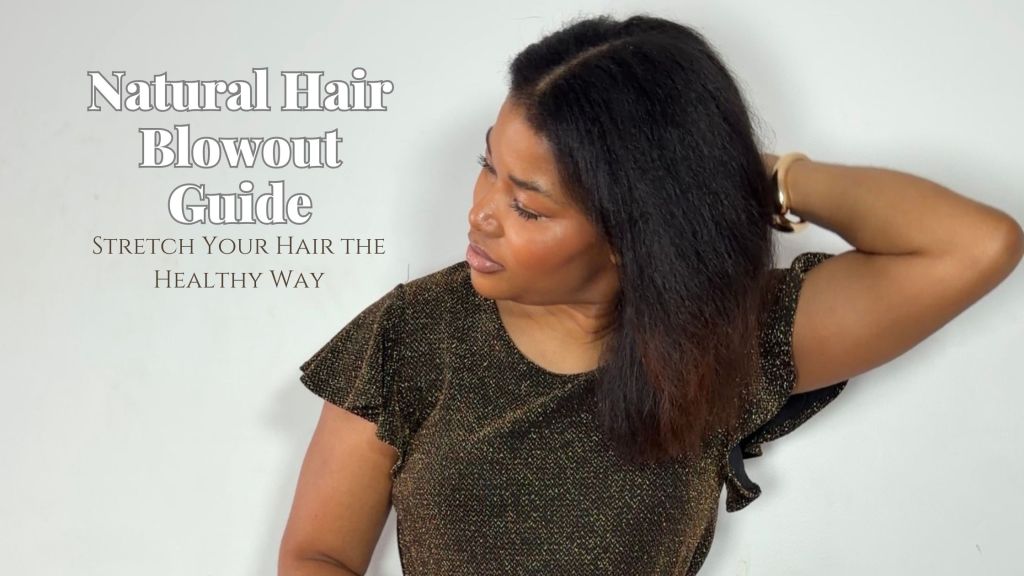
In this guide, you’ll learn exactly how to stretch natural hair safely with heat, what makes a blow dryer effective, and how popular tools like the RevAir Reverse-Air Dryer, Laifen Swift 3, Shark FlexStyle, and Dyson Supersonic compare—so you can choose what works best for your hair.
*There are affiliate links in this post. All purchases made via these links will help to support this platform.
Why Stretching Natural Hair Matters
If you have coily, kinky, or tightly curled hair, shrinkage is part of the beauty—but it can also lead to:
- Single-strand knots
- Increased tangling
- Breakage during detangling
- Difficulty with styling
Stretching helps elongate your strands, making your hair easier to manage while also protecting your ends. Whether you’re prepping for a twist-out, braids, or a sleek style, a proper stretch sets the foundation.
Heat Isn’t the Problem—Lack of Control Is
There’s a common misconception that heat automatically equals damage. In reality, damage comes from misusing heat, not from heat itself.
Heat damage is usually caused by:
- Extremely high temperatures
- Uncontrolled or harsh airflow
- Repeated passes over the same section
- No heat protectant
- Poor technique (excess pulling or brushing)
This is why one of the biggest upgrades you can make in your routine is investing in a blow dryer with controlled airflow and adjustable heat settings.
Why a Good Blow Dryer Is a Game Changer
Not all blow dryers are created equal. A high-quality dryer gives you:
- Consistent heat (no sudden spikes that shock the hair)
- Controlled airflow (so you’re not blasting your strands)
- Faster drying time (less overall heat exposure)
- Better frizz control
When your dryer works efficiently, you don’t need to keep going over the same section—this alone significantly reduces the risk of damage.
Comparing Popular Hair Stretching Tools
Let’s break down some of the most talked-about tools in the natural hair space:
RevAir Reverse-Air Dryer
This tool uses reverse-air suction to stretch the hair instead of direct heat blasting.
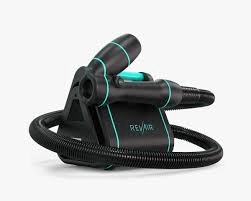
Pros:
- Minimal manipulation
- Lower direct heat exposure
- Great for beginners
Cons:
- Bulky and less portable
- Limited styling control
- Higher price point
This is a great option if your priority is low manipulation, but it doesn’t give you the same styling precision as a traditional dryer.
Laifen Swift 3
A powerful, lightweight dryer known for its controlled airflow and fast drying time.
Why it stands out:
- Strong but controlled airflow
- Multiple heat and speed settings
- Lightweight and easy to handle
This is especially effective for natural hair because it allows you to stretch efficiently without excessive heat exposure.
👉 One key detail: the nozzle you use with this dryer is crucial.
Why the Right Nozzle Matters (Especially With Laifen)
The nozzle determines how air is distributed across your hair.
Concentrator Nozzle (Best for Stretching)
- Directs airflow in a straight line
- Smooths the hair cuticle
- Reduces frizz
- Speeds up stretching
Smoothing Nozzle
- Softer, more diffused airflow
- Better for finishing touches
- Not strong enough for dense natural hair stretching
Diffuser
- Designed for enhancing curls
- Not suitable for stretching
If your goal is a proper stretch, the concentrator nozzle is non-negotiable.
Shark FlexStyle
A hybrid styling system that combines drying and styling tools.
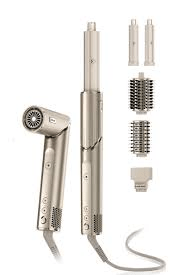
Pros:
- Versatile attachments
- Great for blowouts and styling
- Beginner-friendly
Cons:
- Less concentrated airflow
- May require more passes for thick or coily hair
This is ideal if you want multi-use styling, but for pure stretching efficiency, it may take more time.
Dyson Supersonic
A premium dryer known for intelligent heat control.
Pros:
- Prevents extreme heat damage
- Even airflow distribution
- Professional-quality results
Cons:
- Expensive
This is a solid choice if you want precision and protection, especially for consistent styling.
The Tension Method: Your Best Defense Against Damage
One of the safest and most effective techniques for stretching natural hair is the tension method.
What is the tension method?
Instead of using a brush or comb, you:
- Gently hold your hair taut
- Direct the airflow downward
- Let the dryer stretch the hair naturally
Why it works:
- Reduces mechanical damage from brushing
- Prevents unnecessary pulling
- Distributes heat evenly
- Minimizes breakage
This method is especially helpful for thick, coily, or fragile hair types.
Step-by-Step: How to Stretch Natural Hair Safely With Heat
Step 1: Start With Properly Cleansed and Conditioned Hair
Healthy styling begins on wash day. Use:
- A moisturizing shampoo
- A deep conditioner to restore hydration
Well-conditioned hair is more elastic and better able to handle heat.
Step 2: Apply a Heat Protectant
This step is non-negotiable.
A heat protectant:
- Shields your strands from direct heat
- Reduces moisture loss
- Helps maintain your curl pattern
Some heat protectants are lightweight sprays, while others—like the Marc Anthony Ultimate Blowout Cream—double as a styling base for blow-drying natural hair.
For tighter textures, this type of product can help add slip and moisture before heat is applied, making the tension method smoother and less prone to breakage. However, it still works best when paired with controlled heat tools and proper technique, not high-heat rushing.
Step 3: Work in Sections
Sectioning your hair allows for:
- Even drying
- Better control
- Less need to reapply heat
Step 4: Use Medium Heat + Controlled Airflow
You do NOT need the highest heat setting.
In fact:
👉 Medium heat + high controlled airflow = safer, more effective stretching
Step 5: Use the Tension Method
- Hold your ends gently
- Keep the dryer moving
- Aim airflow downward
Let the tool do the work instead of over-manipulating your hair.
Step 6: Don’t Overdry
Stop when your hair is about 80–90% dry.
Overdrying can:
- Make hair brittle
- Reduce elasticity
- Increase breakage
Common Mistakes to Avoid
Avoid these if you want to protect your hair:
- Using high heat to rush the process
- Skipping heat protectant
- Using the wrong nozzle
- Repeatedly going over the same section
- Stretching soaking wet hair
Final Thoughts: Healthy Hair First, Always
Stretching your natural hair with heat doesn’t have to lead to damage. When done correctly, it can actually support length retention, styling versatility, and overall hair health.
The real difference comes down to:
- Using a quality blow dryer with controlled airflow
- Choosing the right nozzle (especially with tools like Laifen)
- Mastering the tension method
- Keeping your routine simple and intentional
At the end of the day, healthy hair isn’t about avoiding heat completely—it’s about using it wisely.
When you combine the right tools with the right technique, you can enjoy stretched, beautiful hair without compromising your curls.


Leave a comment