As someone in my mid-30s with acne-prone, combination skin, finding the perfect skincare routine has been a constant balancing act. Retinol is often touted as a miracle ingredient for anti-aging and acne treatment, but if you have combination skin, it can be tricky to introduce without causing irritation or more breakouts. However, when used properly, retinol can transform your skin—minimizing fine lines, smoothing texture, and helping control acne.
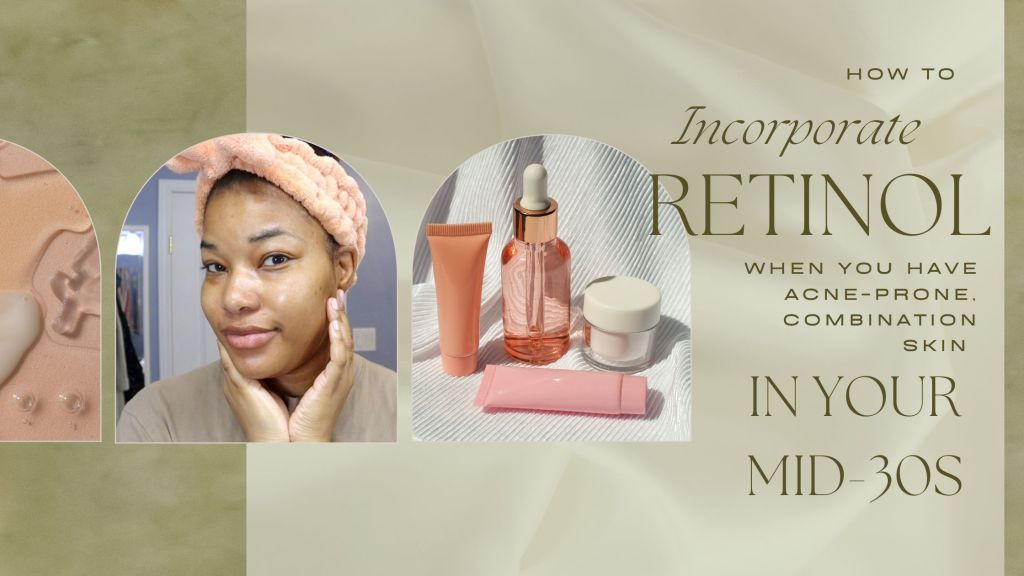
Here’s a guide on how to incorporate retinol into your routine if you have acne-prone, combination skin, along with tips to avoid common pitfalls.
What is Retinol, and Why Use It?
Retinol is a derivative of Vitamin A and is considered one of the most effective ingredients for stimulating cell turnover, promoting collagen production, and unclogging pores. It’s especially beneficial for people in their mid-30s who are starting to see signs of aging while still dealing with acne breakouts. Retinol helps address multiple skin concerns, including:
- Fine lines and wrinkles
- Hyperpigmentation or acne scars
- Uneven skin texture
- Acne and clogged pores
The key to incorporating retinol, especially if you have combination skin (where some areas are oily while others are dry), is to introduce it gradually to avoid irritation, dryness, or increased oil production.
Step-by-Step Guide to Incorporating Retinol
1. Start Slow
Retinol is powerful, so starting slow is crucial to prevent irritation. For beginners, use retinol only 2-3 times a week to allow your skin time to adjust. Using it too frequently can cause dryness, redness, and even more breakouts if your skin isn’t used to it.
Pro tip: Pick a retinol with a lower concentration (0.25% to 0.5%) when starting out, especially if you have sensitive areas or combination skin.
2. Prep Your Skin Properly
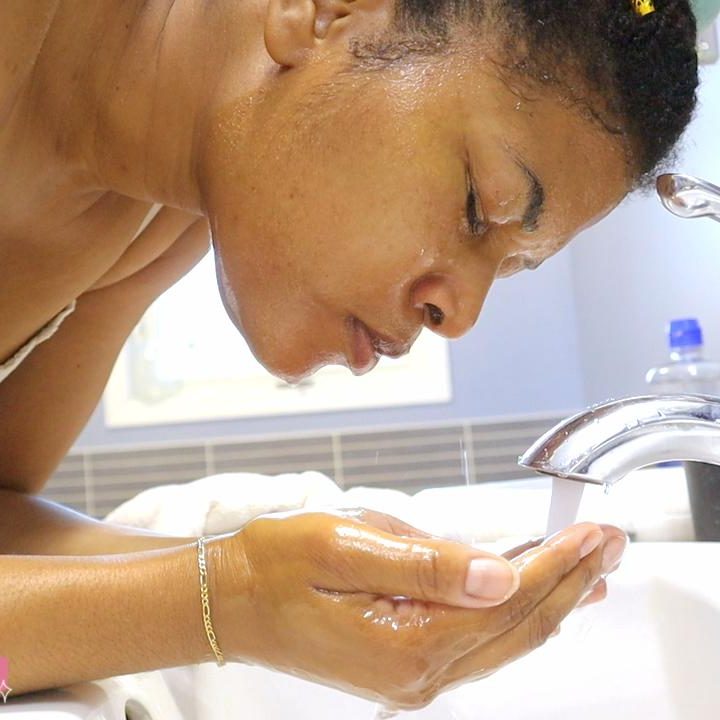
Make sure your skin is well-prepped before applying retinol. Cleanse your face with a gentle, non-exfoliating cleanser to avoid over-stripping the skin, which can lead to irritation. Since you have combination skin, opt for a cleanser that balances oil without being too drying. My go-to is a hydrating foaming cleanser that keeps my skin balanced while still removing impurities.
3. Use the ‘Retinol Sandwich’ Method
This method involves layering a moisturizer before and after applying retinol to protect your skin’s moisture barrier and reduce irritation. Here’s how it works:
- After cleansing, apply a light layer of hydrating serum or moisturizer to damp skin. Look for a product with ingredients like hyaluronic acid or ceramides to keep your skin hydrated.
- Apply a pea-sized amount of retinol to your entire face (avoid the eye and mouth area).
- Follow up with another layer of moisturizer to seal everything in.
This “sandwich” method provides a protective buffer, especially for areas like your cheeks or chin that might be more prone to dryness. It’s particularly helpful for those of us with combination skin, as it balances moisture while still allowing the retinol to work its magic.
4. Target Oily and Acne-Prone Areas
With combination skin, focus your retinol on the areas that are more acne-prone or oily, like your T-zone (forehead, nose, and chin). For drier areas like your cheeks, you can apply a little less retinol or skip it on those spots altogether until your skin builds tolerance.
5. Hydration is Key
Because retinol can be drying, it’s important to keep your skin well-hydrated. Choose a lightweight, non-comedogenic moisturizer that won’t clog your pores or contribute to breakouts. I recommend looking for ingredients like glycerin and squalane, which provide hydration without adding oil or heaviness.
6. Avoid Harsh Ingredients
While using retinol, avoid products with harsh exfoliants or acids like glycolic or salicylic acid on the same night. These can be too aggressive and cause irritation, especially if your skin is already adjusting to retinol. If you use chemical exfoliants, alternate them on non-retinol nights to keep your skin balanced.
7. Always Use Sunscreen
Retinol makes your skin more sensitive to the sun, so daily sunscreen is non-negotiable. Even on cloudy days or when you’re indoors, UV rays can still cause damage, and using retinol without adequate sun protection can lead to more pigmentation and sensitivity.
Opt for a broad-spectrum sunscreen with at least SPF 30, and reapply throughout the day. Choose a lightweight, non-greasy formula to avoid clogging your pores or adding excess oil.
8. Be Patient and Consistent
It can take up to 8–12 weeks to see significant results from retinol, so don’t get discouraged if you don’t notice changes right away. Stick with it, but if you experience excessive peeling, irritation, or breakouts, cut back your usage frequency and give your skin time to adjust.
9. Consult with a Dermatologist
If you’re unsure about which retinol concentration is best for your skin type, or you’re experiencing persistent irritation, it’s always a good idea to consult with a dermatologist. They can guide you on how to safely incorporate retinol and recommend personalized treatments.
Other Tips for Acne-Prone, Combination Skin in Your 30s
- Retinol isn’t just for your face! You can apply it to your neck and décolletage as well—just remember to moisturize those areas.
- Balance your routine with hydrating products. Incorporating hydrating serums and gentle cleansers will help keep your skin from becoming overly dry while using retinol.
- Spot treat with retinol. If you’re nervous about applying retinol all over, you can start by applying it to just the areas where you’re experiencing acne or fine lines to see how your skin reacts.
Final Thoughts
Retinol can be a game-changer for acne-prone, combination skin—especially in your mid-30s when you’re juggling both anti-aging and acne concerns. By starting slow, focusing on hydration, and being consistent, you can reap the benefits of smoother, clearer, and more youthful skin. Just remember: patience and balance are key!


Leave a Reply