Introduction
Homeschooling has gained popularity in Canada as an alternative to traditional public or private school education. Whether you’re considering homeschooling due to personal or educational reasons, it’s important to understand the requirements, regulations, and resources available to ensure a successful homeschooling experience for your child. In this blog post, we’ll provide an overview of what parents need to start homeschooling in Canada.
Understanding the Legal Requirements
Homeschooling in Canada is regulated at the provincial and territorial levels, which means that the requirements can vary depending on where you live. It’s crucial to research and understand the specific regulations in your province or territory, as they can differ significantly.
In most provinces, parents who wish to homeschool are required to:
- Notify the appropriate educational authority: In many provinces, you’ll need to notify the school board or government agency responsible for education about your intent to homeschool. In Ontario, it is not necessary to notify the school board if the child has not previously attended school. However, if your child has already attended school then you will need to notify the school board.
- Develop a homeschooling plan: This plan typically outlines your curriculum, teaching methods, and assessment strategies. Some provinces may require you to submit this plan for approval. Your homeschooling plan also allow you to stay on track and to ensure that your child is keeping up with what’s being taught. It is important to stay flexible with the plan. As you continue to teach your child you may notice that somethings just may not work the way you thought it would, and that’s totally normal. Every child is different.
- Keep records: Maintain detailed records of your child’s educational progress, attendance, and any assessments or evaluations. These records may be subject to review by educational authorities. Also, these records allow you as the teacher to see your child’s progress. By making sure that your child is progressing it also helps you see what areas you may need to address.
- Follow the curriculum: Some provinces may require homeschooling parents to follow the provincial curriculum standards, while others offer more flexibility in choosing educational materials. This will ensure that your child will be able to succeed outside when they are ready to make their mark in the future. Every foundation laid ensures a strong and fruitful future in whatever way they choose to thrive in.
Accessing Educational Resources
Canada offers a wealth of educational resources and support for homeschooling parents:
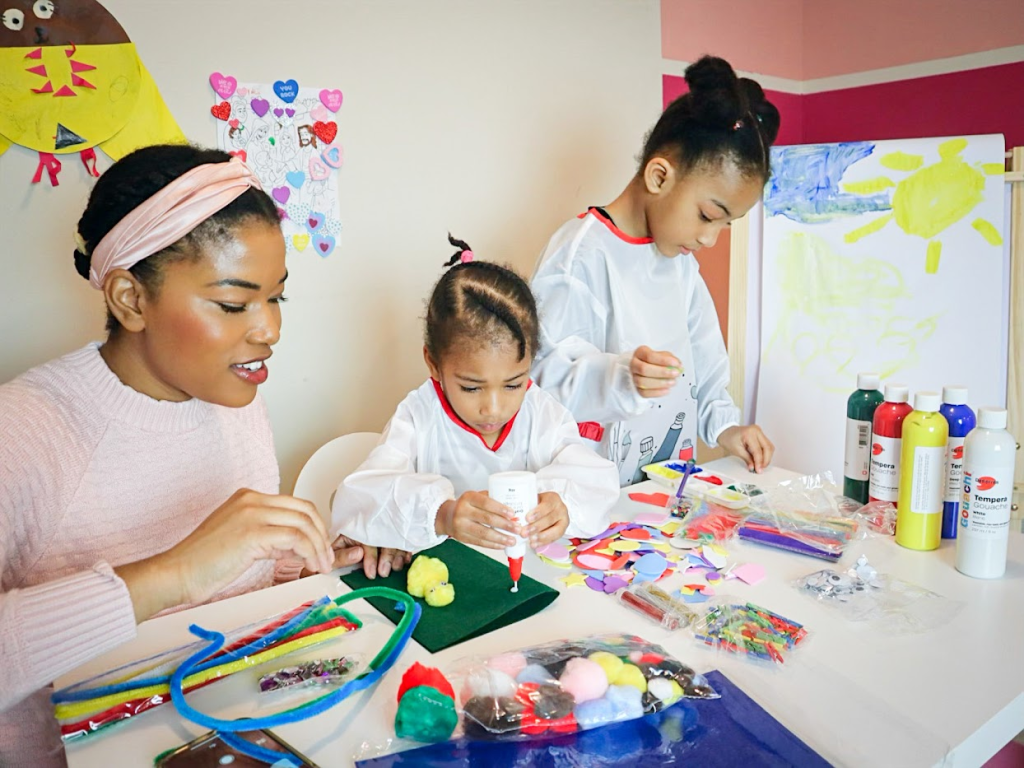
- Online Resources: Many websites and forums are dedicated to homeschooling in Canada. These resources provide curriculum ideas, lesson plans, and a supportive community of homeschooling parents.
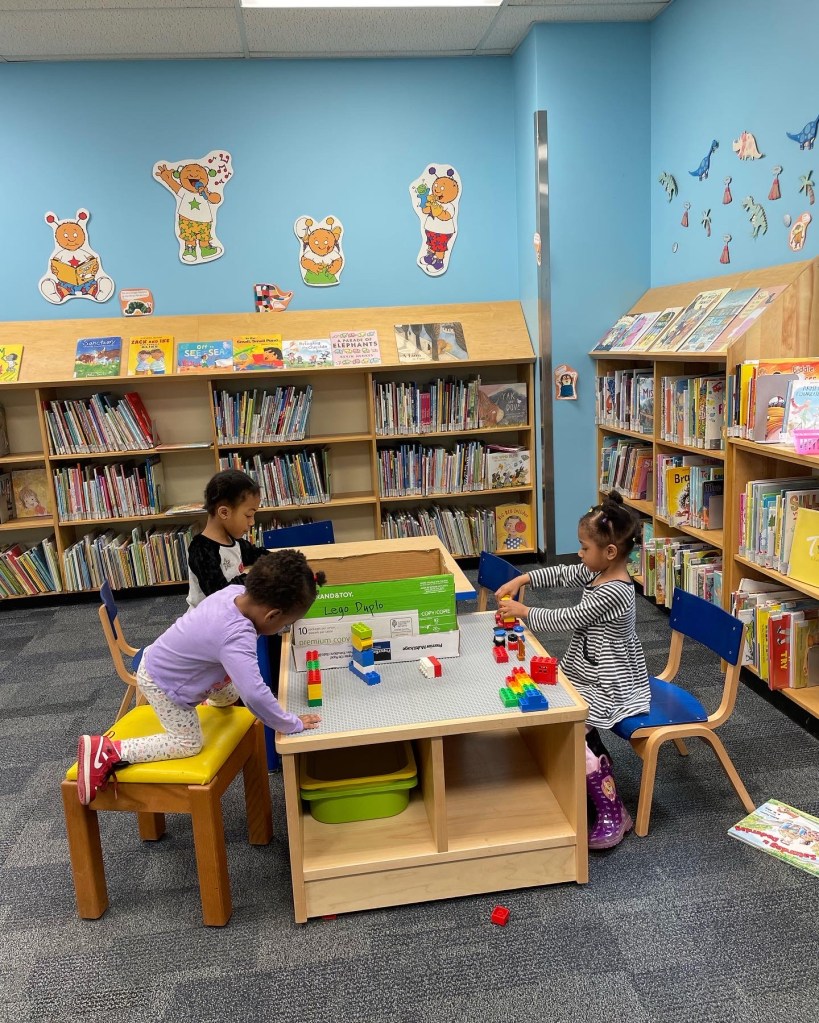
- Public Libraries: Libraries often have extensive collections of educational materials, books, and resources that can supplement your homeschooling curriculum.
- Local Homeschooling Groups: Joining a local homeschooling group can provide you with a sense of community and access to shared resources and experiences. These groups may also organize field trips and social activities for homeschooled children.
- Educational Suppliers: There are numerous suppliers in Canada that specialize in homeschooling materials and curricula. They can help you find age-appropriate textbooks, workbooks, and educational supplies.
- Online Courses: Many online platforms offer courses specifically designed for homeschoolers. These courses cover a wide range of subjects and grade levels.
Creating a Supportive Learning Environment
To create a successful homeschooling environment, consider the following tips:
- Establish a Routine: Consistency is key. Create a daily or weekly schedule to help your child stay on track and develop good study habits.
- Set Goals: Set clear educational goals and objectives for your child. This will help you measure progress and ensure that you cover all necessary topics.
- Flexibility: Homeschooling allows for flexibility in both teaching methods and schedules. Tailor your approach to your child’s learning style and needs.
- Stay Informed: Keep up with changes in educational regulations and resources. Attend homeschooling conferences or workshops to stay informed and connect with other homeschooling families.
- Assessment and Evaluation: Regularly assess your child’s progress through tests, quizzes, and projects. Be open to adapting your teaching methods if necessary.
Conclusion
Homeschooling in Canada can be a rewarding educational experience for both parents and children. However, it requires careful planning, dedication, and compliance with provincial regulations. By understanding the legal requirements, accessing educational resources, and creating a supportive learning environment, parents can embark on a successful homeschooling journey that meets their child’s educational needs. Remember that homeschooling is a flexible approach, so feel free to adapt it to your child’s unique learning style and interests.
 Sandy Esprit
Leave a comment