Disclaimer:
I truly appreciate your support, as it means the world to me. By visiting and engaging with my blog, you not only gain valuable information and resources but also contribute to its sustainability. It’s important to mention that this blog contains affiliate links, which are a means for me to earn a commission from recommended products or services. Your support through these links helps me continue creating quality content and maintaining the blog’s operations. Thank you for being a part of this journey and for considering to support me through the affiliate links on this blog.
Let’s get into it!
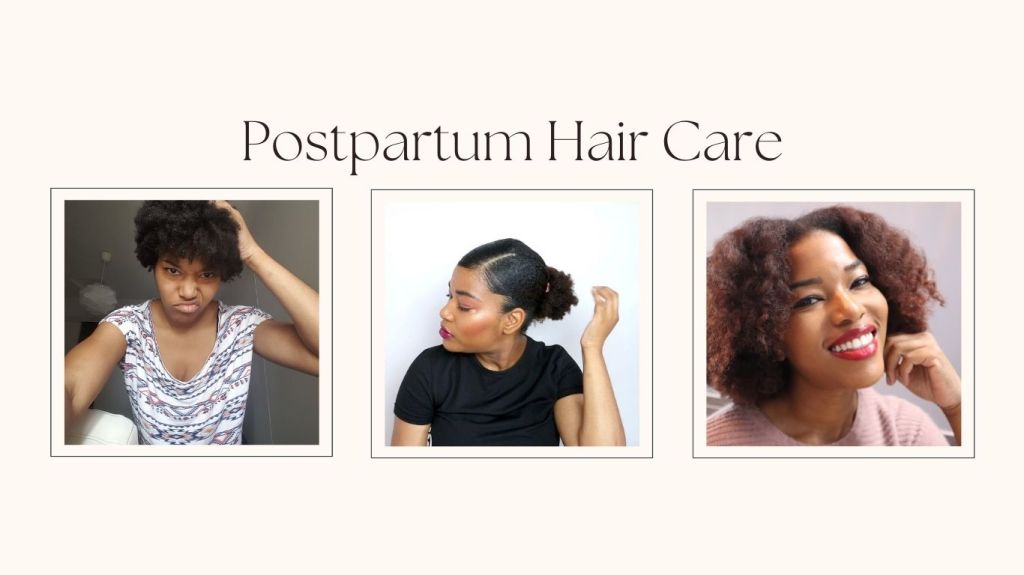
The journey of motherhood is a beautiful and transformative experience, but it also comes with a fair share of physical and emotional changes. One of the most common and often surprising changes that new moms encounter is postpartum hair loss. While it can be distressing to see clumps of hair falling out, it’s important to remember that this is a temporary phase. In this blog post, we’ll explore the causes of postpartum hair loss and provide some practical tips to help you cope with this common occurrence.
Understanding Postpartum Hair Loss:
Postpartum hair loss, also known as telogen effluvium, is a temporary condition that affects many women in the months following childbirth. During pregnancy, the increased levels of estrogen in your body prolong the growth phase of your hair, leading to thicker and fuller locks. However, after giving birth, the hormone levels start to normalize, causing a large number of hair follicles to enter the resting (telogen) phase simultaneously. This mass shedding typically begins around three to four months postpartum and can last up to six months.
Coping Strategies for Postpartum Hair Loss:
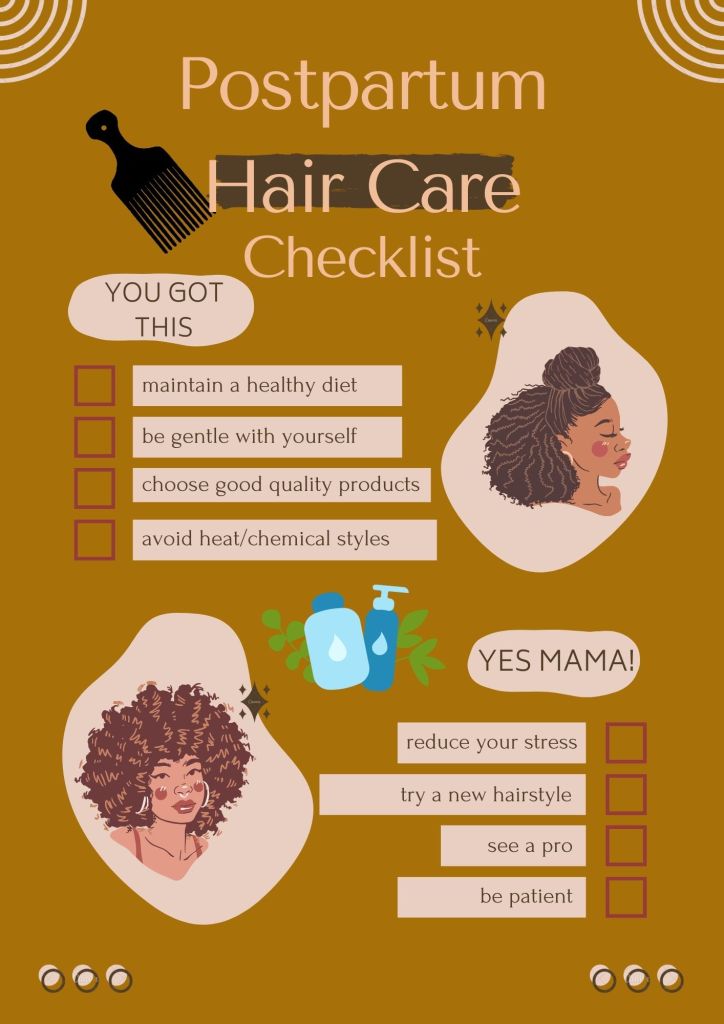
- Maintain a Healthy Diet: Eating a well-balanced diet rich in essential nutrients is crucial for healthy hair growth. Include foods high in protein, iron, zinc, biotin, and vitamins A, C, and E. Incorporate leafy greens, eggs, fish, nuts, and fruits into your meals to support hair health.
- Be Gentle with Your Hair: Treat your hair gently to avoid additional breakage and damage. Use a wide-toothed comb or a brush with soft bristles to detangle your hair. Avoid hairstyles that pull tightly on the hair and use scrunchies or hair ties that don’t cause tension.
- Choose Hair Care Products Wisely: Opt for mild, sulfate-free shampoos and conditioners to avoid further drying or irritation of the scalp. Look for products that promote hair strength and growth, containing ingredients like biotin, keratin, and collagen.
- Avoid Heat Styling and Chemical Treatments: Minimize the use of heat styling tools such as flat irons, curling irons, and blow dryers, as they can weaken hair strands. Likewise, it’s advisable to postpone chemical treatments like perming, coloring, or relaxing until your hair regains its strength.
- Practice Stress Reduction Techniques: Stress can exacerbate hair loss, so it’s essential to find ways to relax and reduce anxiety. Engage in activities like meditation, yoga, deep breathing exercises, or any hobby that brings you joy. Prioritize self-care to maintain emotional well-being during this transformative time.
- Consider a New Hairstyle: If you’re comfortable with it, consider getting a new haircut or style that complements your hair’s current volume and texture. A shorter haircut or layered style can give an illusion of thicker hair while making it easier to manage during the shedding phase.
- Consult a Healthcare Professional: If your hair loss seems excessive or continues for an extended period, it’s advisable to seek professional advice. A dermatologist or healthcare provider can assess your condition and recommend specific treatments or supplements to promote hair regrowth.
Remember, postpartum hair loss is a temporary phase, and your hair will gradually regain its pre-pregnancy state. Be patient and kind to yourself during this time of adjustment. Focus on the joy of motherhood and take proactive steps to care for your overall well-being.

Postpartum hair loss is a common occurrence that affects many new moms. While it can be distressing to see clumps of hair falling out, it’s essential to understand that it is a temporary condition. By following the coping strategies mentioned above and maintaining a healthy lifestyle, you can nurture your hair and promote regrowth. Remember, your hair will soon regain its fullness and luster, allowing you to embrace your newfound motherhood with confidence and grace.


Leave a comment