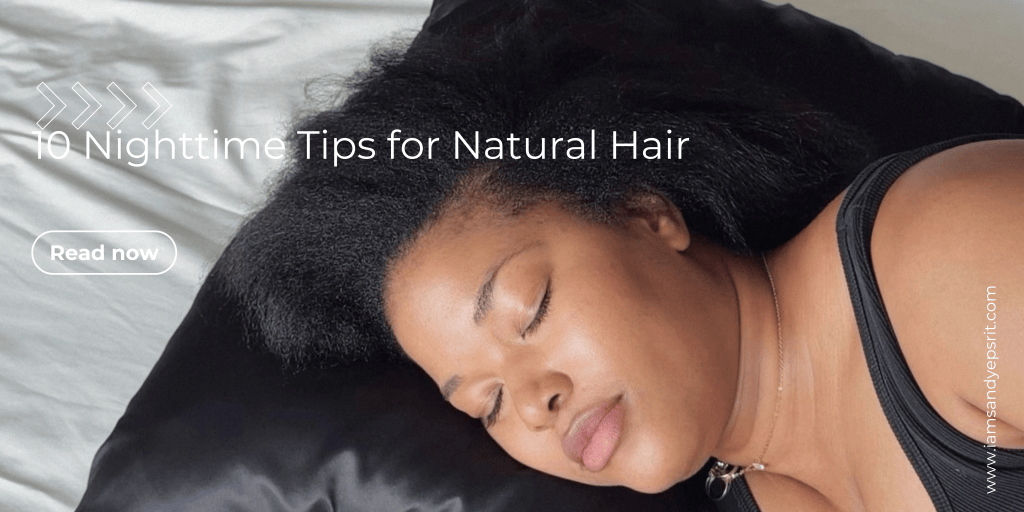
If you have natural hair, you already know that wash day is only part of the equation. What you do with your hair at night can make a noticeable difference in how your hair looks and feels the next morning — and over time, it can help reduce unnecessary friction, tangling and breakage.
This is especially true for tightly coiled and textured hair. Curly and coily hair tends to be more prone to dryness and breakage, which means your nighttime routine deserves just as much attention as your wash day routine. Dermatologists specifically recommend protecting curly hair while sleeping by reducing friction and using satin or silk coverings or pillowcases.
And if you’re in Canada, there is another factor to consider: the weather.
As summer humidity gives way to cooler fall temperatures, and eventually the dry indoor air that comes with heating season, your hair may start behaving differently. You may notice more dryness, frizz, tangling or that your hair simply doesn’t feel as soft as it did a few months ago.
The good news? Your nighttime routine doesn’t have to be complicated.
Here are 10 simple ways to protect your natural hair while sleeping.
1. Sleep With a Satin or Silk Bonnet
Let’s start with the obvious one: a bonnet.
A satin or silk bonnet creates a smoother surface between your hair and whatever you’re sleeping against, which can help reduce friction.
That matters because repeatedly rubbing your hair against a rougher fabric can contribute to frizz, tangling and breakage. The American Academy of Dermatology specifically recommends satin or silk bonnets or pillowcases as an option for people with curly or coily hair.
For natural hair, I personally think a bonnet is one of those simple habits that can make your nighttime routine much easier.
But there’s a catch:
Your bonnet shouldn’t be tight.
If you’re constantly adjusting it because it’s slipping, it can be tempting to buy one with a very snug elastic band. But tight hairstyles and coverings that pull on the hair can contribute to traction-related hair loss.
Look for a bonnet that comfortably covers all of your hair without putting pressure around your hairline.
And if you hate sleeping in bonnets?
Keep reading.
2. Try a Satin or Silk Pillowcase Instead
Not everyone likes wearing a bonnet to bed.
Maybe it comes off while you sleep. Maybe it feels uncomfortable. Maybe your partner keeps stealing it as a joke. Or maybe you simply don’t want to wear one every night.
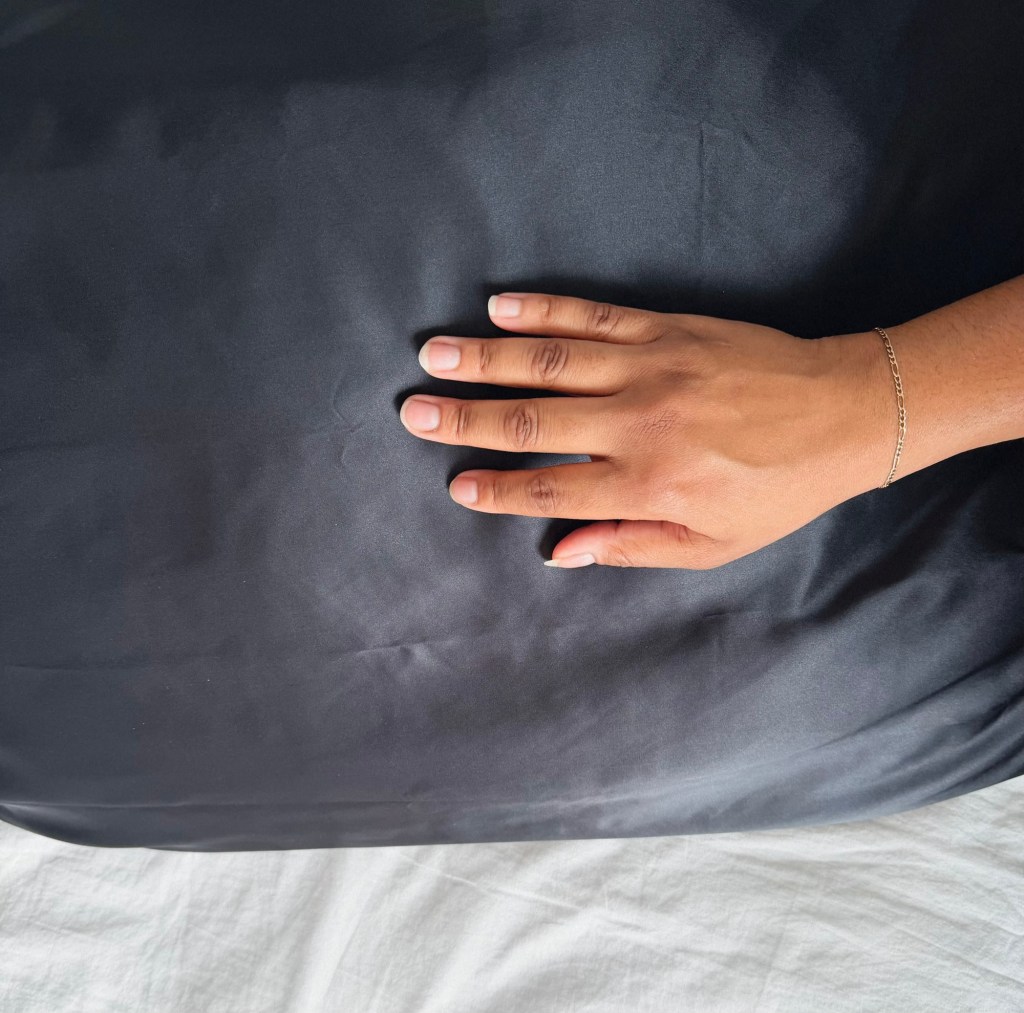
That’s where a satin or silk pillowcase can come in handy.
A satin or silk pillowcase gives your hair a smoother surface to rest against, helping minimize friction while you move around during the night.
It’s also a good backup plan if you’re wearing a bonnet.
Because let’s be honest: sometimes that bonnet is going to be somewhere on the floor by morning.
Having a satin or silk pillowcase means your hair still has some protection even if your bonnet doesn’t survive the night.
Shop My Natural Hair Sleep Essentials
If you’re looking to upgrade your nighttime routine, here are a couple of options you can shop directly through my Amazon links:
- Silk pillowcase: Shop on Amazon
- Satin pillowcase: Shop on Amazon
- Satin Bonnet: Shop on Amazon
Some links may be affiliate links, which means I may earn a small commission if you make a purchase through my link, at no additional cost to you.
3. Don’t Go to Bed With Your Hair Loose and Completely Unprotected
One of the easiest ways to wake up with a tangled mess is to sleep with your natural hair completely loose every night.
Your hair moves around while you sleep, and all that movement creates opportunities for strands to rub against each other and against your pillow.
Instead, consider putting your hair into a loose nighttime style.
Depending on your hair length and current style, that might mean:
- Loose twists
- Loose braids
- A pineapple
- A loose bun
- Large twists
- A simple tucked-away style
The key word here is loose.
Your nighttime hairstyle shouldn’t feel tight, painful or like it’s pulling at your scalp.
According to the Canadian Dermatology Association, minimizing tension, tugging and mechanical damage is an important part of maintaining healthy hair. For natural hair, that can also mean paying attention to what happens while you sleep. A satin or silk bonnet, scarf or pillowcase can help reduce the friction your hair experiences against your bedding overnight.
4. Don’t Make Your Nighttime Style Too Tight

This one deserves its own section because protective doesn’t automatically mean healthy.
A hairstyle can protect the ends of your hair while putting unnecessary tension on your roots.
Tight ponytails, buns, braids and other styles that continuously pull on the hair can cause damage and, over time, contribute to traction alopecia.
If your nighttime hairstyle gives you:
- A headache
- Scalp tenderness
- Pain around your hairline
- Stinging
- Tension around your edges
…it is too tight.
Your nighttime routine should be helping your hair recover from the day’s manipulation, not creating another source of tension.
5. Protect Your Ends
If you’re trying to retain length, your ends deserve extra attention.
Your ends are the oldest part of your hair, so they’ve had the most exposure to manipulation, styling, heat, weather and general wear and tear.
At night, you want to minimize unnecessary rubbing and tangling.
That’s why styles such as loose twists, braids or a loose bun can be helpful. You can also make sure your ends are tucked away rather than constantly rubbing against your pillow.
This doesn’t mean you need to completely hide your hair every night.
It simply means being intentional about reducing unnecessary manipulation.
6. Don’t Overload Your Hair With Products Before Bed
When your hair feels dry, it can be tempting to keep adding product.
A little more leave-in.
A little more oil.
A little more cream.
And then a little more because your hair still doesn’t feel right.
But more product isn’t always the answer.
If your hair already has enough product in it, adding layer after layer before bed can leave you with buildup, transfer product onto your pillowcase and potentially contribute to scalp or skin issues.
Hair products can also transfer onto your skin and, for some people, contribute to clogged pores and breakouts around the hairline, forehead and neck.
Instead of automatically adding more product every night, pay attention to what your hair actually needs.
Sometimes your hair needs moisture.
Sometimes it needs less manipulation.
Sometimes it just needs to be left alone.
7. Don’t Sleep With Wet Hair If You Can Avoid It
This is especially important if you’re putting your hair into a bonnet or protective style.
If you’ve just washed your hair, give it enough time to dry before going to bed whenever possible.
Wet hair is more vulnerable to breakage during handling, and the AAD recommends minimizing manipulation of wet hair while noting that textured hair should generally be detangled while wet to reduce breakage.
If you’re washing your hair at night, plan enough time for it to dry properly before you get into bed.
And if you’re using a blow dryer, you don’t need to blast your hair with the hottest setting just to get it dry faster. Excessive heat can damage hair, so use heat thoughtfully and according to your styling needs.
8. Adjust Your Routine When the Canadian Weather Changes
This is where living in Canada can make natural hair care a little more interesting.
Canadian weather can change dramatically from season to season. Southern Ontario and Quebec can be particularly humid during summer, while colder months bring lower humidity indoors because of heating.
So your nighttime routine in July might not need to look exactly like your routine in November.
During humid weather, you may find that your hair:
- Frizzes more easily
- Feels softer or more swollen
- Doesn’t need as much added moisture
- Doesn’t hold certain stretched styles as well
As temperatures drop, you may notice:
- More dryness
- More static
- A rougher-feeling texture
- Increased need for moisture
- More dryness from indoor heating
The solution isn’t necessarily to completely change your routine.
Instead, pay attention to your hair and adjust as needed.
If your hair feels dry, you may need to revisit your moisturizing routine.
If it feels weighed down or coated, you may be using too much product.
Your hair can tell you a lot if you actually listen to it.
9. Keep Your Bonnet and Pillowcase Clean
This is the unglamorous part of the nighttime routine that is very easy to forget.
Your bonnet and pillowcase come into contact with your hair, scalp, skin and whatever products you’ve applied throughout the week.
That means they’re collecting product residue, oils, sweat and everything else your head brings to bed.
And if you use a lot of hair products, this can become especially noticeable.
The AAD recommends washing items that come into contact with the head when hair products are contributing to breakouts, including pillowcases, sheets, caps and hats.
You don’t need to obsessively wash everything every single day.
But your bonnet and pillowcase should be part of your regular laundry routine.
Think of it this way:
You’re not putting clean hair into a dirty bonnet on purpose.
So don’t forget the thing that’s protecting it.
10. Keep Your Nighttime Routine Simple
If you’re overwhelmed by natural hair care advice, here’s your reminder:
You don’t need a 12-step nighttime routine.
For many people, a simple routine can look like:
Moisturize if needed → gently style → protect your hair → go to sleep.
That’s it.
The goal is to reduce unnecessary friction and manipulation while keeping your hair in a comfortable style.
And remember that everyone’s natural hair is different.
What works beautifully for one person may leave someone else’s hair dry, weighed down or tangled.
The AAD also emphasizes that finding the right routine for curly or coily hair can involve some trial and error.
What Is the Best Way to Sleep With Natural Hair?
If you want the short answer, here’s what I’d recommend:
Put your natural hair in a loose, comfortable style and protect it with a satin or silk bonnet or pillowcase.
For curls, that could mean a loose pineapple or twists.
For stretched hair, you might prefer wrapping or loosely securing your hair depending on your hairstyle.
For longer natural hair, loose twists or braids can help keep the hair contained and reduce tangling.
The best nighttime hairstyle is ultimately the one that protects your hair without creating tension.
Should You Moisturize Natural Hair Before Bed?
Not necessarily.
This is one of those natural hair rules that gets repeated so often that it can start sounding universal.
It isn’t.
If your hair feels dry, adding an appropriate moisturizing product may make sense. But if your hair already feels moisturized, you don’t need to keep adding product simply because it’s nighttime.
Too much product can lead to buildup and can transfer onto your bedding and skin.
Instead of following a strict “moisturize every night” rule, let your hair tell you what it needs.
Can Sleeping Cause Natural Hair Breakage?
Yes, nighttime friction and manipulation can contribute to breakage, particularly when your hair is already fragile or prone to dryness.
That doesn’t mean sleeping itself is damaging your hair.
It’s more about what your hair is rubbing against and how you’re wearing it while you sleep.
A rough pillowcase, excessive movement, tangled loose hair or a tight nighttime hairstyle can all create unnecessary stress.
Reducing that friction is one reason dermatologists recommend satin or silk coverings and loose protective styles for curly and coily hair.
What About Sleeping With Natural Hair in Winter?
Winter is when your nighttime routine may become particularly important for natural hair in Canada.
Cold outdoor temperatures combined with heated indoor air can create a drier environment. Canada.ca notes that low relative humidity problems are exacerbated by cold conditions because of indoor heating.
That doesn’t mean you need to coat your hair in oil every night.
Instead, focus on the basics:
- Keep your hair moisturized according to its needs.
- Reduce friction with satin or silk.
- Avoid unnecessary manipulation.
- Protect your ends.
- Avoid overly tight styles.
- Keep your bonnet and pillowcase clean.
- Adjust your routine if your hair becomes noticeably drier.
And remember: your winter hair routine doesn’t have to be completely different from your summer routine.
You may simply need to make small adjustments.
Your Natural Hair Doesn’t Need to Be Perfect
There’s a lot of pressure in the natural hair community to have the perfect routine.
The perfect products.
The perfect definition.
The perfect length.
The perfect wash day.
But healthy hair care doesn’t have to be complicated.
Sometimes protecting your natural hair while sleeping really does come down to a few simple habits: reduce friction, avoid unnecessary tension, protect your ends and pay attention to what your hair needs.
And if you’re living in Canada, don’t forget to account for the weather. Your hair may respond differently as humidity, temperature and indoor heating change throughout the year.
So whether you’re rocking a wash-and-go, twists, braids, a stretched style or a silk press, give your hair a little protection while you sleep.
Because your nighttime routine is part of your hair-care routine too.
Quick Nighttime Checklist for Natural Hair
Before you go to bed, ask yourself:
☐ Is my hair in a loose, comfortable style?
☐ Am I reducing friction with a satin or silk bonnet or pillowcase?
☐ Are my ends protected?
☐ Is anything pulling on my edges or scalp?
☐ Does my hair actually need more product?
☐ Is my bonnet or pillowcase clean?
☐ Does my hair need more or less moisture because of the current weather?
If you can check most of those boxes, you’re already doing a lot to protect your natural hair while you sleep.
Your hair doesn’t need a complicated nighttime routine. It needs a consistent one.


Leave a comment