There is nothing quite like changing your hair color and feeling like you have entered a new era. Whether you are adding warm caramel highlights, experimenting with blonde tones, covering gray strands, creating dimension with balayage, or simply refreshing your natural color, hair color can be such a fun form of self-expression.
But if you have Black hair, natural curls, coils, or textured hair, you also know that maintaining healthy hair after color requires intentional care.
Black hair is incredibly versatile. We can wear our curls naturally, straighten it, braid it, twist it, add extensions, experiment with color, and transform our look in countless ways. However, that versatility also means our hair often experiences different types of stress.
Color processing, especially lightening or bleaching, can impact the strength of the hair strand. Add in heat styling, protective styles, detangling, environmental factors, and everyday manipulation, and your curls may eventually start showing signs that they need extra support.
Some common signs your hair may be damaged include:
- Increased breakage while styling or detangling
- Hair that feels dry even after conditioning
- Ends that feel thin, rough, or fragile
- Frizz that seems difficult to control
- Curls that no longer have the same bounce or definition
- Hair that feels weaker after coloring
- Difficulty retaining length
This is where bond repair treatments can become a game changer.
Unlike traditional conditioners that mainly work on improving softness and moisture, bond repair treatments are designed to target weakened areas within the hair structure caused by chemical and heat damage.
If your curls have been through bleach, color, heat styling, or years of manipulation, incorporating a bond repair treatment into your routine may help improve the strength, feel, and manageability of your hair.
In this guide, we are breaking down the best bond repair treatments for Black hair and color-treated curls, including popular options like Olaplex, K18, Joico, Redken, and SheaMoisture.
What Is a Bond Repair Treatment?
Before choosing the right product, it helps to understand what bond repair actually means.
Your hair is primarily made up of a protein called keratin. Inside each strand are different types of bonds that contribute to your hair’s structure, strength, elasticity, and overall appearance.
When hair experiences stress from:
- Bleaching
- Permanent color
- Relaxers
- Chemical treatments
- Flat irons
- Blow dryers
- Environmental damage
some of these internal bonds can become weakened.
This can lead to hair that feels:
- Weak
- Brittle
- Dry
- Rough
- Difficult to style
Bond repair treatments are formulated to help strengthen compromised areas of the hair fiber and improve the overall condition of damaged strands.
They are especially popular among people with color-treated hair because lightening services can be one of the most damaging processes a hair strand experiences.
For Black hair, this can be especially important because many textured hair types naturally have twists and bends along the strand. These curves can create areas where the hair is more vulnerable to breakage, especially when combined with dryness or chemical processing.
Bond repair treatments can help support:
✔ Stronger-feeling strands
✔ Improved elasticity
✔ Better manageability
✔ Reduced appearance of damage
✔ Healthier-looking curls
However, there is one important thing to remember:
Bond repair is not the same as moisture.
A common mistake people make when repairing damaged curls is focusing only on strengthening products while forgetting hydration.
Healthy curls need both:
Bond Repair = Strength and Structure
Deep Conditioning = Moisture and Softness
The healthiest hair routines balance both.
Why Color-Treated Black Hair Needs Bond Repair
Coloring natural hair does not automatically mean your hair will become damaged. Many people successfully maintain beautiful, healthy color-treated curls.
The key is understanding what your hair needs before, during, and after the coloring process.
When hair is lightened, the cuticle layer must open so pigment can be removed or changed. During this process, the hair can lose some of its strength and moisture.
This is why many people notice after coloring that their hair:
- Feels different
- Tangled more easily
- Loses shine
- Feels less elastic
- Breaks more easily
A good bond repair treatment can become part of a preventative routine, not just something you use after damage has already happened.
Think of it like caring for your skin. You do not wait until your skin barrier is severely damaged before using products that support it. Hair works similarly.
Maintaining healthy color-treated curls often means:
- Protecting bonds
- Maintaining moisture
- Minimizing excessive heat
- Being gentle during detangling
- Trimming damaged ends when needed
Signs Your Hair May Need a Bond Repair Treatment
Not every person with curly hair needs a bond builder. If your hair is healthy, strong, and not chemically processed, a regular moisturizing routine may be enough.
However, your hair may benefit from bond repair if you notice:
1. Your Hair Feels Different After Coloring
One of the biggest signs is a noticeable texture change after coloring.
Your curls may feel:
- Less springy
- More fragile
- Rougher than usual
- More difficult to style
This can happen after bleaching, highlights, or repeated color services.
2. Your Curl Pattern Looks Less Defined
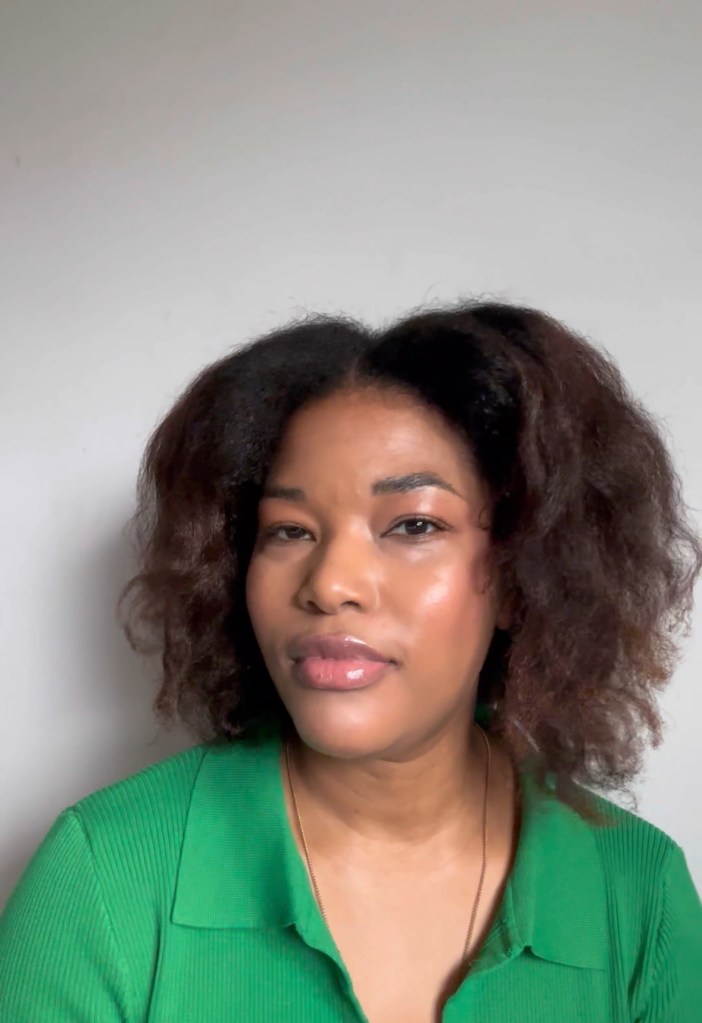
Damage does not always show up as obvious breakage.
Sometimes curls simply stop behaving the way they used to.
You may notice:
- Less curl definition
- More frizz
- Pieces that dry differently
- Looser-looking curls
While bond repair cannot permanently change your natural curl pattern, improving the condition of the strand may help your curls look healthier.
3. You Are Experiencing Increased Breakage
It is normal to shed hair daily, but breakage is different.
Signs of breakage include:
- Short pieces of hair around your sink
- Hair snapping while brushing
- Increased breakage around your hairline
- Ends that continue splitting
Strengthening treatments can be one tool to help improve your hair-care routine.
4. Your Ends Feel Thin or Fragile
Your ends are the oldest part of your hair and usually experience the most wear.
If your ends feel:
- Rough
- Stringy
- Dry
- Thin
your hair may need extra support.
Part 2: Best Bond Repair Treatments Ranked for Black Hair and Color-Treated Curls
Now that we understand what bond repair treatments do and why they can be beneficial for damaged or color-treated curls, let’s look at some of the most popular bond-building products available.
The “best” bond repair treatment depends on your hair’s current condition.
Someone with slightly dry color-treated curls may need something different from someone whose hair has been bleached multiple times or feels fragile after years of heat styling.
Here are the top bond repair treatments ranked based on effectiveness, versatility, ingredients, and how well they fit into a routine for Black hair and textured curls.
Best Bond Repair Treatments Ranked
| Rank | Product | Best For | Key Benefits | Hair Concerns Addressed | Price Range |
|---|---|---|---|---|---|
| 1 | Olaplex No.3 Hair Perfector | Best overall bond repair treatment | Helps strengthen damaged bonds and improve hair feel | Color damage, bleach damage, breakage | $$ |
| 2 | K18 Leave-In Molecular Repair Hair Mask | Best for severe damage | Molecular repair technology, lightweight formula | Bleached curls, chemical damage, weakened hair | $$$ |
| 3 | Joico Defy Damage Treatment System | Best for color protection | Helps defend against future damage and maintain color | Color-treated curls, dryness, environmental stress | $$ |
| 4 | Redken Acidic Bonding Concentrate | Best for dry and frizzy curls | Strengthens and smooths damaged hair | Frizz, heat damage, rough texture | $$ |
| 5 | SheaMoisture Bond Repair Collection | Best affordable option | Combines repair ingredients with moisture | Dry natural hair, breakage, maintenance | $ |
1. Olaplex No.3 Hair Perfector: Best Overall Bond Repair Treatment
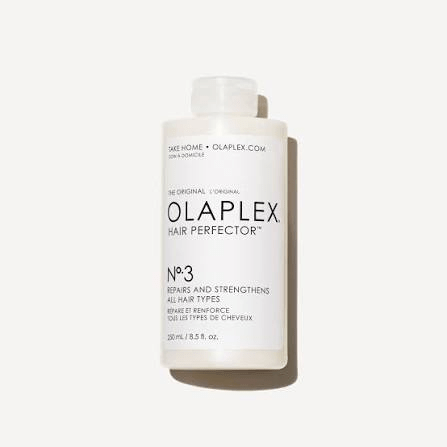
Olaplex No.3 Hair Perfector is one of the most well-known bond repair treatments in the beauty industry.
It gained popularity among hairstylists and consumers because it was designed specifically to help improve the appearance and strength of damaged hair, especially hair affected by chemical services.
For anyone with color-treated Black hair, Olaplex can be a valuable addition to a healthy hair routine.
Why Olaplex Is Popular for Black Hair:
✔ Helps strengthen compromised strands
✔ Great for color-treated curls
✔ Works well after bleaching or highlights
✔ Helps improve manageability
✔ Can support healthier-looking curls
One thing to remember: Olaplex is not a deep conditioner.
Some people expect their hair to feel instantly buttery-soft after using it, but its primary purpose is strengthening.
For textured hair, the best results often come from pairing it with a moisturizing conditioner or deep treatment afterward.
Best For:
- Highlighted curls
- Bleached natural hair
- Color-treated hair
- Heat-damaged strands
How To Use:
Apply Olaplex No.3 to damp hair before shampooing. Allow it to process according to the product instructions, then follow with shampoo, conditioner, and styling products.
My Take:
If you are new to bond repair and want a trusted starting point, Olaplex is one of the easiest products to incorporate into your routine.
Affiliate opportunity:
Shop Olaplex No.3 Hair Perfector
2. K18 Leave-In Molecular Repair Hair Mask: Best for Severely Damaged Hair
If your hair has experienced major damage from bleach, repeated coloring, or excessive heat styling, K18 is one of the most talked-about repair treatments.
Unlike traditional masks that sit mainly on the surface of the hair, K18 uses a peptide-based formula designed to work within the hair strand.
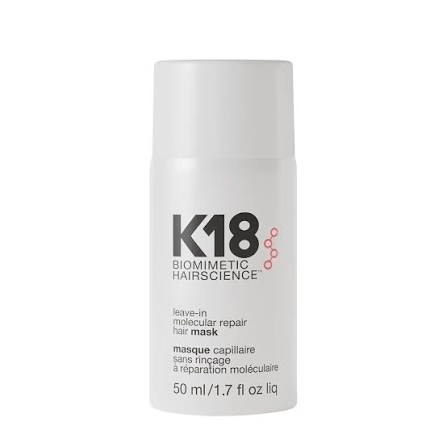
Why K18 Stands Out:
✔ Leave-in formula
✔ Lightweight texture
✔ Does not require rinsing
✔ Popular among professional hairstylists
✔ Designed for chemically damaged hair
For Black women with color-treated curls, one of the biggest benefits is that K18 does not leave behind heavy buildup.
This can be helpful for curls that become weighed down easily.
Best For:
- Bleached curls
- Hair that feels weak or stretchy
- Severe chemical damage
- Over-processed hair
How To Use:
After shampooing, apply K18 to towel-dried hair. Allow it to absorb before applying additional styling products.
My Take:
K18 is an investment, but if your hair has been through a major transformation or damage situation, it may be worth considering.
Affiliate opportunity:
Shop K18 Leave-In Molecular Repair Hair Mask
3. Joico Defy Damage: Best for Maintaining Color-Treated Curls
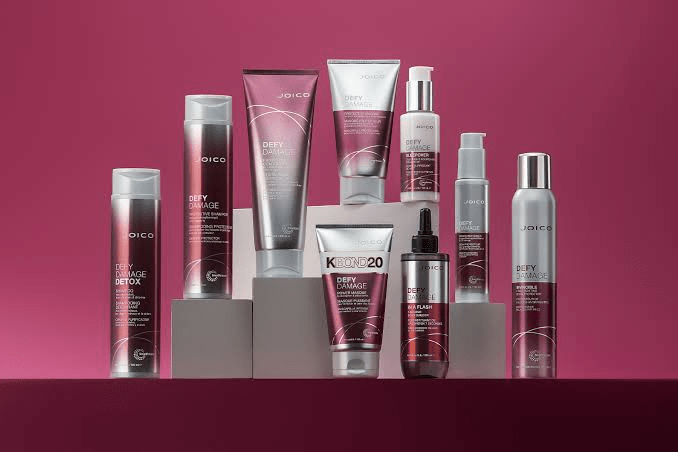
For people who love experimenting with hair color, prevention is just as important as repair.
Joico Defy Damage was created specifically to help protect hair from everyday stress while maintaining the vibrancy of color-treated strands.
This line is especially appealing for people who want to continue enjoying color while keeping their curls healthy.
Benefits:
✔ Helps protect against future damage
✔ Supports color longevity
✔ Improves softness and shine
✔ Helps strengthen weakened hair
✔ Works well as part of a maintenance routine
Color-treated curls often need a combination of repair and protection.
A product that helps prevent future damage can be just as valuable as one that helps improve existing damage.
Best For:
- Colored natural hair
- Highlighted curls
- Maintaining salon color
- Regular strengthening routines
My Experience:
For curls that have been colored but are not completely damaged, Joico Defy Damage is a great middle ground because it provides protection without making the hair routine feel complicated.
Affiliate opportunity:
Shop Joico Defy Damage Treatment
4. Redken Acidic Bonding Concentrate: Best for Dry, Frizzy, Damaged Hair
Redken Acidic Bonding Concentrate has become a popular choice for people looking for a complete repair system.
This collection focuses on strengthening and smoothing hair that has been damaged from coloring, heat styling, and environmental stress.
Benefits:
✔ Helps strengthen weakened hair
✔ Improves softness
✔ Helps reduce the appearance of frizz
✔ Supports damaged strands
✔ Creates a smoother finish
For curly hair, frizz is not always a problem — sometimes it is simply a sign that your hair needs moisture or repair.
This system can be helpful when your curls feel rough, dry, or difficult to manage.
Best For:
- Dry curls
- Heat-damaged hair
- Frizz concerns
- Color-treated hair
Affiliate opportunity:
Shop Redken Acidic Bonding Concentrate
5. SheaMoisture Bond Repair Collection: Best Affordable Option
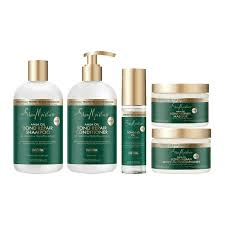
For those who want bond repair without the higher price tag, SheaMoisture offers accessible options designed with textured hair in mind.
SheaMoisture has been a longtime favorite among many people with natural hair because of its focus on moisture-rich formulas.
The bond repair collection combines strengthening ingredients with nourishing ingredients that help support dry curls.
Benefits:
✔ Budget-friendly
✔ Accessible for beginners
✔ Designed with textured hair needs in mind
✔ Helps balance strength and moisture
This makes it a good option for someone who is just starting to explore bond repair.
Best For:
- Natural hair beginners
- Dry curls
- Protective style wearers
- Affordable maintenance routines
Affiliate opportunity:
Shop SheaMoisture Bond Repair
Bond Repair Treatment vs Protein Treatment: Are They the Same?
This is one of the biggest questions people have when repairing damaged natural hair.
The answer is no.
While both focus on improving hair strength, they work differently.
Bond Repair Treatments:
Focus on:
- Supporting damaged internal hair structure
- Improving resilience
- Helping compromised strands
Protein Treatments:
Focus on:
- Adding temporary reinforcement
- Improving the feel of weak hair
- Supporting elasticity
Some people use both, but they should not be used excessively.
Too much strengthening without enough moisture can leave curls feeling stiff.
How Often Should You Use Bond Repair Treatments?
The frequency depends on your hair’s condition.
Healthy Color-Treated Hair:
Use once every 3–4 weeks.
Damaged Hair:
Use every 1–2 weeks initially.
Maintenance:
Once monthly or as needed.
Your hair will tell you what it needs.
Signs your routine is balanced:
✔ Hair feels strong but flexible
✔ Curls feel soft but not mushy
✔ Hair retains moisture
✔ Less breakage during styling
My Recommended Bond Repair Routine for Color-Treated Curls
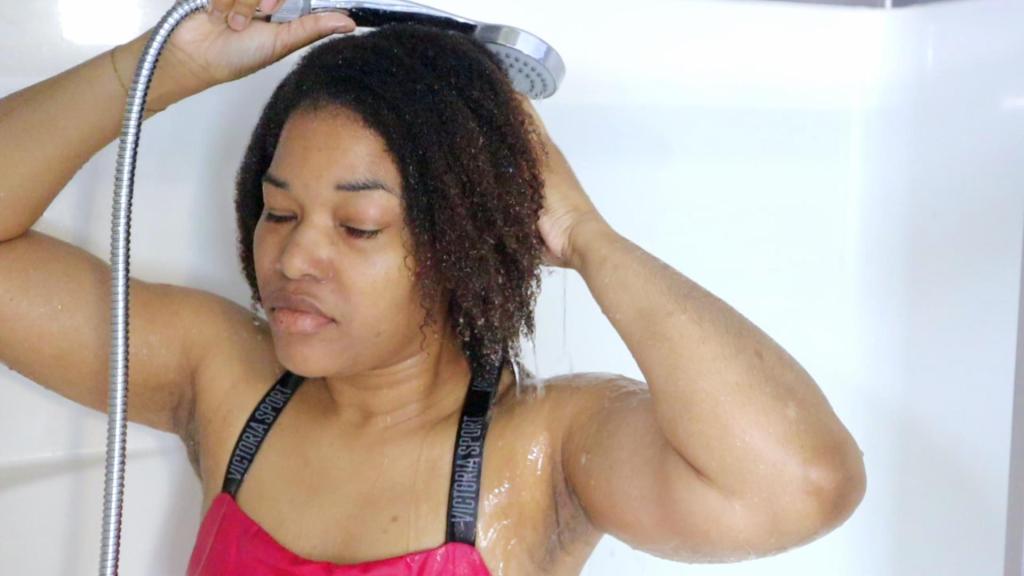
A simple repair routine can look like this:
Step 1: Gentle Cleanse
Start with a shampoo that removes buildup without completely stripping your curls.
Step 2: Bond Repair Treatment
Use your chosen bond repair product based on your level of damage.
Step 3: Deep Condition
Follow with moisture to restore softness and hydration.
Step 4: Leave-In Conditioner
Protect your curls between wash days.
Step 5: Style Gently
Avoid excessive manipulation while your hair recovers.
Part 3: How to Repair Damaged Color-Treated Curls + FAQs + Pinterest SEO Strategy
Repairing damaged curls is not about finding one “miracle” product and expecting your hair to completely transform overnight.
Healthy hair is the result of consistency.
For Black hair, especially color-treated curls, the goal is creating a routine that balances:
- Strength
- Moisture
- Protection
- Gentle handling
- Scalp care
- Length retention
Bond repair treatments can be an important part of that process, but they work best when combined with healthy hair habits.
Common Mistakes When Repairing Damaged Black Hair
Even with the best bond repair treatments, some habits can continue contributing to damage.
Here are some common mistakes to avoid when trying to restore your curls.
Mistake #1: Using Only Moisture and Ignoring Strength
One of the biggest misconceptions about natural hair is that dryness is always the problem.
While Black hair does often need moisture, dryness is not the only reason hair can feel unhealthy.
If your hair has been:
- Bleached
- Colored
- Heat styled frequently
- Chemically processed
your strands may also need strengthening support.
A moisturizing mask can make your hair feel softer temporarily, but if the internal structure of the strand has been weakened, adding moisture alone may not address the issue.
This is why combining:
Bond Repair + Deep Conditioning
can be such a powerful combination.
Mistake #2: Overusing Repair Treatments
When you discover a product that helps your hair feel stronger, it can be tempting to use it constantly.
However, more is not always better.
Hair needs balance.
Too many strengthening products may leave your curls feeling:
- Stiff
- Dry
- Less flexible
- Difficult to style
Pay attention to how your hair responds.
If your curls feel hard or straw-like, it may be time to focus more on moisture.
Mistake #3: Skipping Deep Conditioning
This is especially important for Black hair.
Textured hair often benefits from regular moisture because the natural oils produced by the scalp do not always travel easily down curly and coily strands.
After using a bond repair treatment, consider following with a moisturizing conditioner or hair mask.
Look for ingredients like:
- Shea butter
- Aloe vera
- Avocado oil
- Coconut oil (depending on your hair’s preference)
- Honey
- Glycerin
The goal is to keep your curls both strong and hydrated.
Mistake #4: Continuing Damaging Habits
A bond repair treatment can help support damaged hair, but it cannot completely cancel out ongoing damage.
If your goal is healthier curls, consider reducing:
- Excessive heat styling
- Tight hairstyles
- Rough detangling
- Frequent chemical processing
- Sleeping without protecting your hair
Small changes can make a major difference over time.
Mistake #5: Ignoring Your Ends
Your ends are the oldest part of your hair.
They have experienced the most:
- Styling
- Washing
- Friction
- Environmental exposure
If you are trying to retain length, protecting your ends is essential.
Consider:
✔ Regular trims when needed
✔ Using moisturizing products on your ends
✔ Sleeping with a satin bonnet or pillowcase
✔ Avoiding unnecessary manipulation
Healthy ends help you keep the length you grow.
How to Maintain Healthy Color-Treated Curls Long-Term
Once your hair begins feeling stronger, the next step is maintaining it.
Here are some habits that can help keep color-treated curls healthy.
1. Create a Consistent Wash Day Routine
Your wash day does not need to include ten different products.
A simple routine can be effective:
- Cleanse
- Repair (when needed)
- Condition
- Moisturize
- Style
Consistency matters more than having a large product collection.
2. Protect Your Hair Before Heat Styling
If you enjoy silk presses, blowouts, or stretched styles, heat protection is non-negotiable.
Always use a quality heat protectant before applying heat.
Also consider:
- Lower heat settings
- Fewer passes with hot tools
- Allowing hair to fully dry before styling
3. Space Out Chemical Services
Color-treated hair needs time to recover.
If possible, avoid stacking multiple damaging services too close together.
For example:
- Bleaching
- Relaxing
- Permanent color
- Frequent heat styling
all require extra care.
Give your curls time between major changes.
Frequently Asked Questions About Bond Repair Treatments for Black Hair
Can bond repair treatments fix damaged Black hair?
Bond repair treatments can help improve the strength, feel, and appearance of damaged hair.
However, they cannot completely restore hair that has severe structural damage.
If your ends are extremely damaged, splitting, or breaking excessively, trimming may still be necessary.
Think of bond repair as support for healthier hair — not a replacement for proper maintenance.
Are bond repair treatments safe for curly and coily hair?
Yes.
Many bond repair treatments are designed specifically for damaged hair, including curly and textured hair.
The key is using them correctly and balancing them with moisture.
Curly hair typically needs both:
- Strength to prevent breakage
- Hydration to maintain softness
Is Olaplex good for Black hair?
Yes, Olaplex can be beneficial for Black hair, especially when hair has been damaged by:
- Bleaching
- Highlights
- Color treatments
- Heat styling
Many people with natural hair use Olaplex as part of their repair routine.
However, remember that Olaplex is not a moisturizing mask. Follow with hydration if your curls need softness.
What is the best bond repair treatment for bleached curls?
Some popular options include:
- K18 Leave-In Molecular Repair Hair Mask
- Olaplex No.3 Hair Perfector
- Joico Defy Damage
- Redken Acidic Bonding Concentrate
The best choice depends on your hair’s condition and budget.
How often should I use Olaplex or K18?
This depends on your level of damage.
For maintenance:
- Every few weeks may be enough.
For heavily damaged hair:
- You may need a more consistent repair routine.
Always follow the product directions and adjust based on how your hair feels.
Can I use bond repair treatments with protective styles?
Yes.
Bond repair can actually be helpful before protective styles because healthier strands are better able to handle manipulation.
Before installing braids, twists, wigs, or extensions:
✔ Cleanse your hair
✔ Strengthen if needed
✔ Moisturize thoroughly
✔ Avoid installing styles too tightly
Protective styles should protect your hair — not create additional tension.
Final Thoughts: Stronger Curls Start With the Right Balance
Black hair is incredibly versatile, and one of the most beautiful things about natural hair is the ability to transform it.
You can wear your curls naturally.
You can experiment with color.
You can straighten it.
You can switch up your style.
Healthy hair does not mean avoiding everything fun. It means understanding how to care for your hair through every season.
If you love color-treated curls, bond repair treatments can be a valuable tool in helping your hair stay strong and resilient.
Whether you choose:
- Olaplex for a trusted classic
- K18 for intense repair
- Joico Defy Damage for color maintenance
- Redken for smoothing and strengthening
- SheaMoisture for an affordable option
the goal remains the same:
Strong strands. Healthy curls. Beautiful color.


Leave a comment