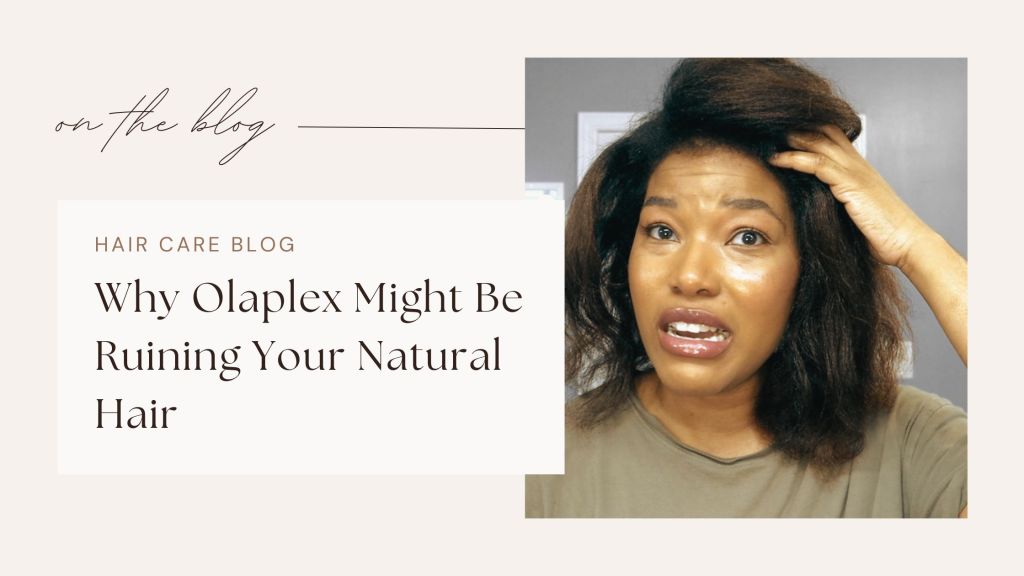
If you are deep in the natural hair community, chances are you have seen countless women swear by Olaplex. From dramatic transformation videos to viral TikToks showing curls “coming back to life,” the brand has built a reputation for being one of the holy grails of hair repair.
And honestly, I understand the hype.
For a long time, I genuinely loved using the Olaplex Bond Maintenance Line. My hair initially felt stronger, smoother, shinier, and more resilient. At first, it felt like I had finally discovered the secret to healthier natural hair.
But over time, something changed.
My curls no longer felt soft and hydrated. My hair looked decent visually, but the actual feel of my strands told a completely different story. My hair began feeling stiff, overly structured, and less flexible than before. Detangling became harder. My ends started feeling rough. And despite using “good products,” my hair no longer felt balanced.
That was when I realized something many naturalistas don’t talk about enough:
Too much protein and bond repair can actually work against your natural hair if you are not balancing it with enough moisture.
And for many naturals — especially those with low-porosity, fine, or protein-sensitive hair — this imbalance can lead to dryness, brittleness, and breakage over time.
Why So Many Naturalistas Love Olaplex
Before diving into why Olaplex may not work long term for everyone, it is important to understand why so many people love it in the first place.
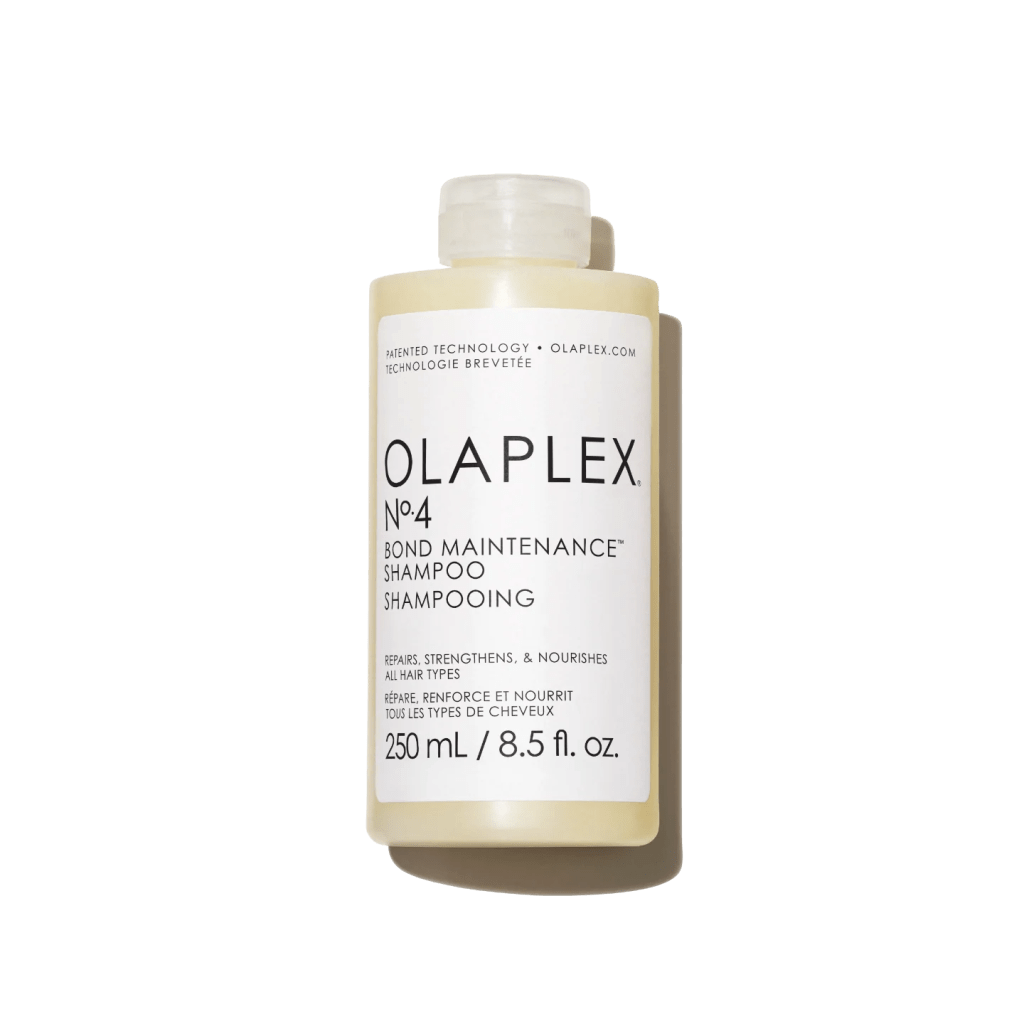
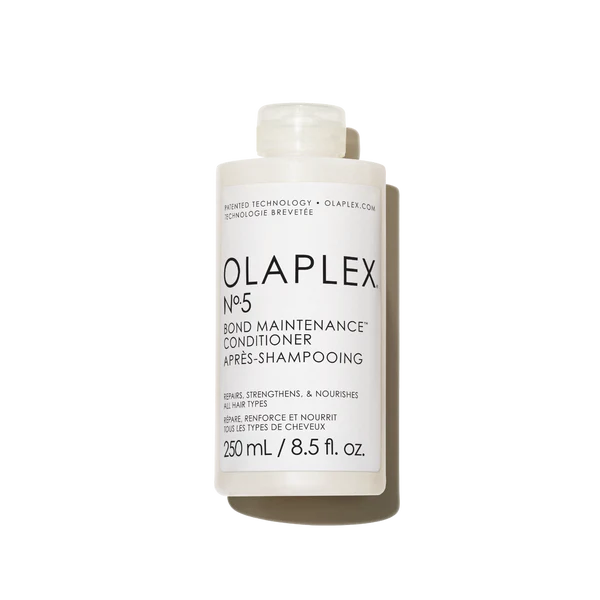
The Olaplex Bond Maintenance Line is specifically formulated to repair broken bonds within the hair shaft. Hair bonds are damaged through:
- Bleaching
- Coloring
- Heat styling
- Relaxers
- Environmental stress
- Mechanical damage from styling
When these bonds weaken, hair becomes fragile, limp, dull, and prone to breakage.
Olaplex became popular because it targets the internal structure of damaged hair rather than just coating the surface. That is why so many people notice immediate improvements such as:
- Stronger hair
- Reduced shedding
- Less visible breakage
- Better curl definition
- Smoother texture
- Improved elasticity initially
For damaged hair, Olaplex can absolutely be transformative.
If your curls have experienced severe heat damage, bleach damage, or chemical processing, bond repair products can help restore some structural integrity to the hair.
But the issue starts when repair becomes the entire foundation of your routine.
The Problem With Too Much Protein and Bond Repair
One of the biggest misconceptions in the natural hair world is that stronger hair automatically means healthier hair.
But healthy hair needs two things:
- Strength
- Moisture and flexibility
When hair becomes overloaded with strengthening ingredients and not enough hydration, the strands can become rigid instead of resilient.
This is where many naturals begin experiencing what feels like “mystery breakage.”
Signs Your Hair May Have Protein Overload
- Hair feels stiff or straw-like
- Curls lose softness
- Hair snaps instead of stretches
- Increased tangling
- Rough ends
- Dryness that never seems to improve
- Hair feels hard after washing
- Products stop absorbing properly
For me personally, I noticed my hair no longer had movement. It did not feel moisturized deeply anymore. Instead of soft, hydrated curls, my hair felt overly reinforced.
And ironically, that “strong” feeling eventually led to more fragility.
Because hair that cannot bend eventually breaks.
Why Natural Hair Needs Moisture for Length Retention
One thing I wish more people emphasized in the natural hair community is this:
Length retention is not just about strengthening your hair. It is about keeping your hair moisturized enough to survive daily manipulation.
Most people’s hair grows.
The real challenge is keeping the ends healthy enough to retain that growth over time.
And natural hair especially thrives when moisture and elasticity are prioritized.
Hydrated hair:
- Detangles easier
- Has better flexibility
- Experiences less snapping
- Handles manipulation better
- Maintains curl integrity
- Feels softer and healthier overall
This is why some naturals eventually find themselves moving away from overly protein-focused routines and leaning more heavily into moisture-based care.
That is exactly what happened to me.
Why I Switched to AG Care Moisture
Once I finished my Olaplex products, I realized my hair desperately needed hydration support instead of constant reconstruction.
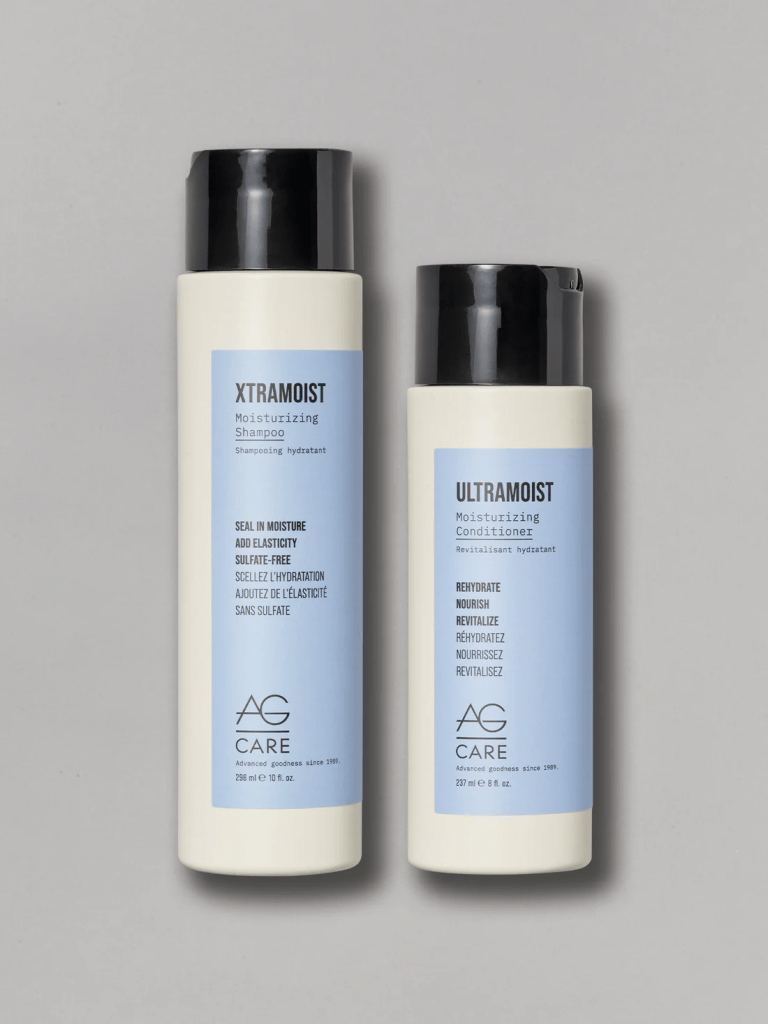
That is when I started using the AG Care Moisture Shampoo and Conditioner.
And honestly, the difference was immediate.
My hair felt:
- Softer
- Easier to detangle
- More flexible
- More hydrated
- Less brittle
- Easier to manage overall
Instead of my hair feeling overly reinforced, it finally started feeling balanced again.
That is the key word many naturals are actually searching for without realizing it:
Balance
Not endless protein.
Not endless moisture.
Not chasing every viral product.
Healthy natural hair usually comes from understanding what your specific hair needs during different seasons of your journey.
Benefits of the Olaplex Bond Maintenance Line
The Olaplex Bond Maintenance Line is still a fantastic product line for the right person and situation.
Who Should Use Olaplex
Olaplex may work well for:
- Heat-damaged natural hair
- Bleached curls
- Color-treated hair
- Relaxed or transitioning hair
- Severely damaged strands
- Frequent heat users
- Hair recovering from chemical processing
Benefits of Olaplex
- Helps rebuild weakened hair bonds
- Strengthens compromised strands
- Reduces visible breakage
- Improves the appearance of damaged curls
- Helps hair feel more structured
- Supports recovery after chemical damage
How to Use Olaplex Properly
The biggest mistake many naturals make is using bond repair products continuously for months without adjusting their routine.
Instead:
- Use Olaplex during periods of damage recovery
- Rotate with moisturizing products
- Pay attention to how your hair feels
- Incorporate hydrating deep conditioners
- Reduce usage if hair begins feeling stiff
Think of Olaplex as a treatment tool — not necessarily a forever daily moisture system.
Benefits of the AG Care Moisture Line
The AG Care Moisture Shampoo and Conditioner became a much better fit once my hair needed softness and hydration over repair.
Who Should Use AG Care Moisture
This line may work especially well for:
- Dry natural hair
- Low-porosity hair
- Protein-sensitive hair
- Fine natural hair
- Hair prone to stiffness
- Naturals focused on long-term moisture retention
- Protective style maintenance
Benefits of AG Care Moisture
- Adds hydration without heaviness
- Restores softness
- Improves manageability
- Helps maintain elasticity
- Supports detangling
- Helps reduce dryness-related breakage
For my hair specifically, switching to a moisture-focused regimen helped restore the softness I had been missing for months.
The Biggest Mistake Naturalistas Make
Social media often pushes the idea that if a product worked for someone else, it must work for you too.
But natural hair is incredibly individual.
Two people can have:
- Completely different porosity
- Different strand density
- Different textures
- Different protein sensitivity
- Different environmental factors
- Different water quality
- Different styling habits
What saves one person’s hair may completely overwhelm another person’s strands.
That is why blindly copying routines rarely works long term.
Your hair journey becomes healthier once you stop chasing trends and start listening to your actual hair.
A Sustainable Natural Hair Routine for Healthy Hair Growth
If your goal is healthy hair and length retention, sustainability matters more than perfection.
Here is a balanced natural hair routine that supports long-term growth and moisture retention.
Step 1: Cleanse Consistently
A healthy scalp creates a healthy environment for growth.
Use a gentle moisturizing shampoo weekly or biweekly to remove buildup while maintaining hydration.
Step 2: Prioritize Deep Conditioning
Deep conditioning is one of the most important steps for natural hair.
Hydration improves elasticity, softness, and manageability while helping reduce breakage.
Step 3: Use Protein Intentionally
Protein treatments and bond repair products are tools — not necessities for every wash day.
If your hair feels:
- Mushy
- Weak
- Overly elastic
- Damaged from heat or bleach
Protein may help.
But if your hair feels:
- Hard
- Brittle
- Dry
- Straw-like
You likely need moisture instead.
Step 4: Seal in Moisture
Use lightweight oils, creams, or leave-ins depending on your hair’s porosity and needs.
The goal is helping your hair retain hydration longer.
Step 5: Reduce Manipulation
Excessive styling can sabotage even the best routine.
Protective styles, low manipulation styles, and gentle detangling help preserve your ends.
Step 6: Trim When Necessary
Holding onto damaged ends can lead to splitting and breakage traveling upward.
Healthy ends retain length better over time.
Step 7: Focus on Hair Health Over Aesthetic Trends
Sometimes healthy hair does not look “perfect” every single day.
But softness, elasticity, hydration, and manageability are often better indicators of true hair health than ultra-defined curls.
Final Thoughts: Olaplex Is Not Bad — But It Is Not for Everyone Forever
I do not think Olaplex is inherently bad.
In fact, I still think the Olaplex Bond Maintenance Line can be incredibly beneficial for damaged natural hair that genuinely needs repair support.
But what I learned through my own journey is that natural hair cannot survive on strength alone.
Eventually, my hair needed moisture more than reconstruction.
Switching to the AG Care Moisture Shampoo and Conditioner helped restore softness, hydration, and flexibility back into my routine — and honestly, my hair felt healthier because of it.
The goal is not to use the most viral product.
The goal is not to follow every trend.
The goal is not to make your hair look healthy temporarily.
The goal is sustainable, balanced hair care that supports:
- Moisture
- Elasticity
- Strength
- Scalp health
- Low breakage
- Long-term length retention
And sometimes the healthiest thing you can do for your natural hair is realizing when a product has served its purpose — and when your hair is asking for something different.


Leave a Reply