Motherhood has been one of the most refining experiences of my life. When I first became a mom, I thought discipline would come naturally because I already had a model: the way I was raised. For years, I believed that discipline was simple — you repeat what your parents did. After all, I “turned out right,” didn’t I?
My therapist would disagree but here we are…
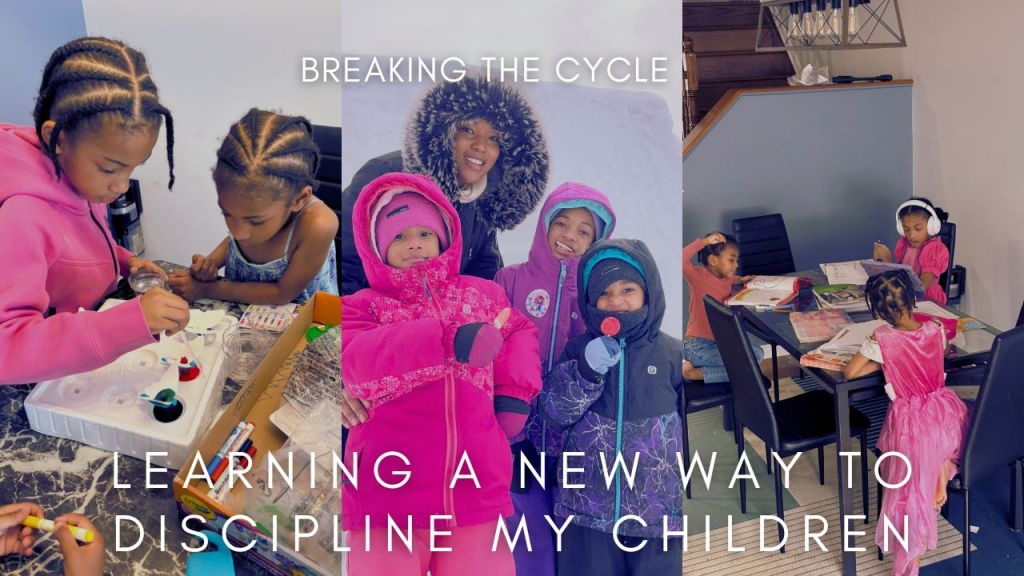
As I look back, especially now that I’m raising three little girls of my own, I realize that a lot of what I thought was discipline wasn’t truly about teaching. It was about fear.

The Way I Was Raised
I grew up in a Christian home where corporal punishment wasn’t framed as a tool for learning. It was about obedience through fear. If you stepped out of line, there was a punishment waiting. And that fear kept you in check — but it didn’t necessarily help you understand why the behavior was wrong or how to make better choices.
For years, I believed that was the “right” way because it was all I knew.
Where I Am Now
Fast forward, and I’m now a mom of three. My daughters are 8, 6, and 4, and they challenge me every single day. What surprises me the most is not their behavior, but the reflection I see of myself when I respond to it.
When my 6-year-old sneaks juice boxes after bedtime, or when my 4-year-old lies straight to my face, my first instinct is to get angry — the same way my mom did with me. My voice rises, my body tenses, and in that moment I want to control the situation through power.
But here’s the thing: it doesn’t work. It doesn’t change their behavior, and it doesn’t teach them anything other than how to be afraid of my anger.
Building Respect as Our Foundation
One thing I’ve learned is that respect must be the foundation of our relationship. Respect doesn’t mean my kids get to do whatever they want — it means I see them as people worthy of dignity, even in correction.
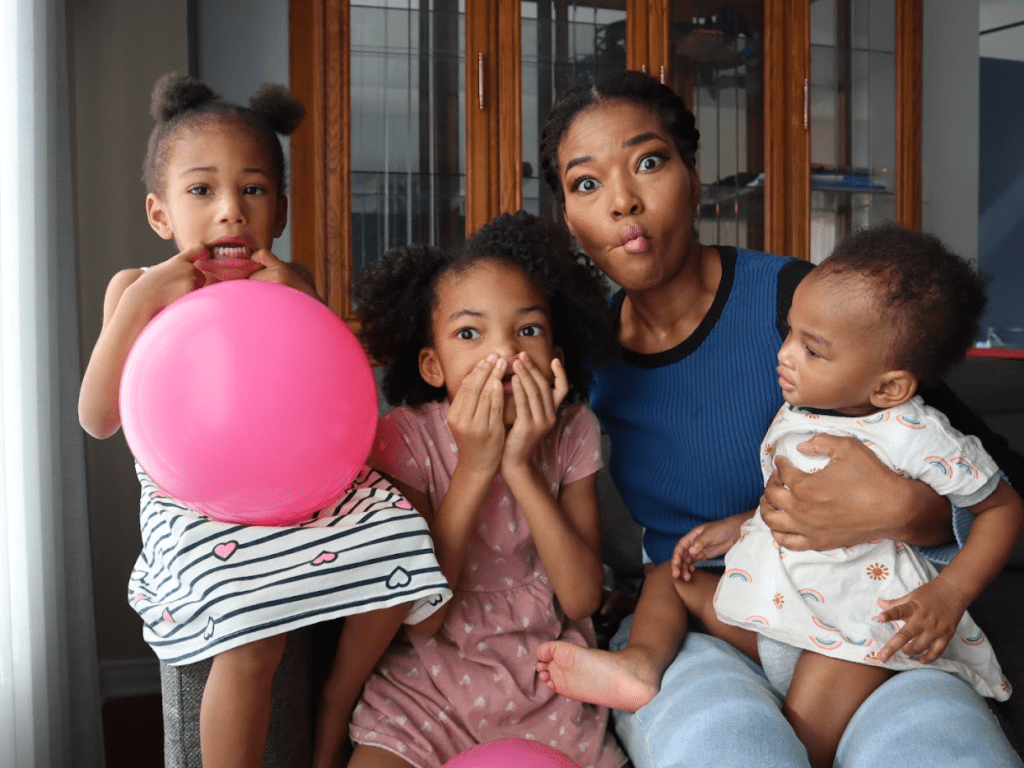
That’s why I try to make sure roles and expectations are always clearly defined in our home. They know what I expect from them, and they also know what they can expect from me. There’s no confusion. Boundaries are set with love, and discipline comes from a place of guidance, not intimidation.
The Struggle of Relearning
The hardest part about breaking generational patterns is that your default setting feels so natural. It feels automatic. My default is anger, because that’s what was modeled for me.
But I don’t want fear to be the foundation of my relationship with my girls. I want trust. I want them to know they can come to me even when they’ve made mistakes. I want them to learn responsibility, honesty, and self-control — not just compliance.

So, I’m relearning discipline. And it’s humbling.
What I’m Trying Instead
Here are a few of the tools I’m implementing, especially with sneaky behavior and lying (which are totally normal at 4 and 6 years old, but still tough to deal with):
- Natural and Logical Consequences
- Sneaking juice boxes? Tomorrow there’s no juice, only water.
- Sneaking electronics? The device goes away the next day.
These consequences connect directly to the behavior instead of just making them “pay” for it.
- Reflection Over Punishment
- Instead of lines or yelling, I sit with them and ask:
- What happened?
- How did you feel?
- How do you think it made others feel?
- What can you do differently next time?
Sometimes they draw their answer, sometimes they talk it out.
- Instead of lines or yelling, I sit with them and ask:
- Praise Honesty
- When they tell the truth — even when it’s hard — I celebrate that. “Thank you for being honest with me. That helps me trust you.”
- Managing My Emotions First
- Before I respond, I take a breath (or two… or ten). I remind myself that my anger won’t teach them, but my calm will.
>>>>>>>>>>>>>>FREE DOWNLOAD AVAILABLE<<<<<<<<<<<<<<<<<<<<<<<<
The Long-Term Goal
At the end of the day, my long-term goal isn’t just to raise “well-behaved” kids. My goal is to raise daughters who are not afraid of me — even when they’ve made mistakes, even if they’re in a bind, God forbid.
I want them to know they can always come to me. I want them to trust that my reaction won’t be fueled by rage, but by love, wisdom, and the desire to help them through. Because someday, the stakes will be higher than sneaking a juice box or lying about a mess. And when that day comes, I want them to feel safe turning to me — no matter what.
Breaking the cycle of fear-based discipline is messy, slow, and often exhausting. But it’s worth it. Because my goal isn’t to raise girls who are afraid of me. My goal is to raise women who know how to be honest, responsible, and kind — even when nobody’s watching.
And that starts with me.


 Sandy Esprit
Leave a comment