
Many parents don’t realize it, but home education is already a part of everyday life. Whether you’re counting toys as you tidy up, reading bedtime stories, or singing along to your child’s favorite songs, you’re laying the foundation for literacy and numeracy. Teaching kids to count and read doesn’t have to be daunting—it’s something most of us are already doing without even thinking about it.
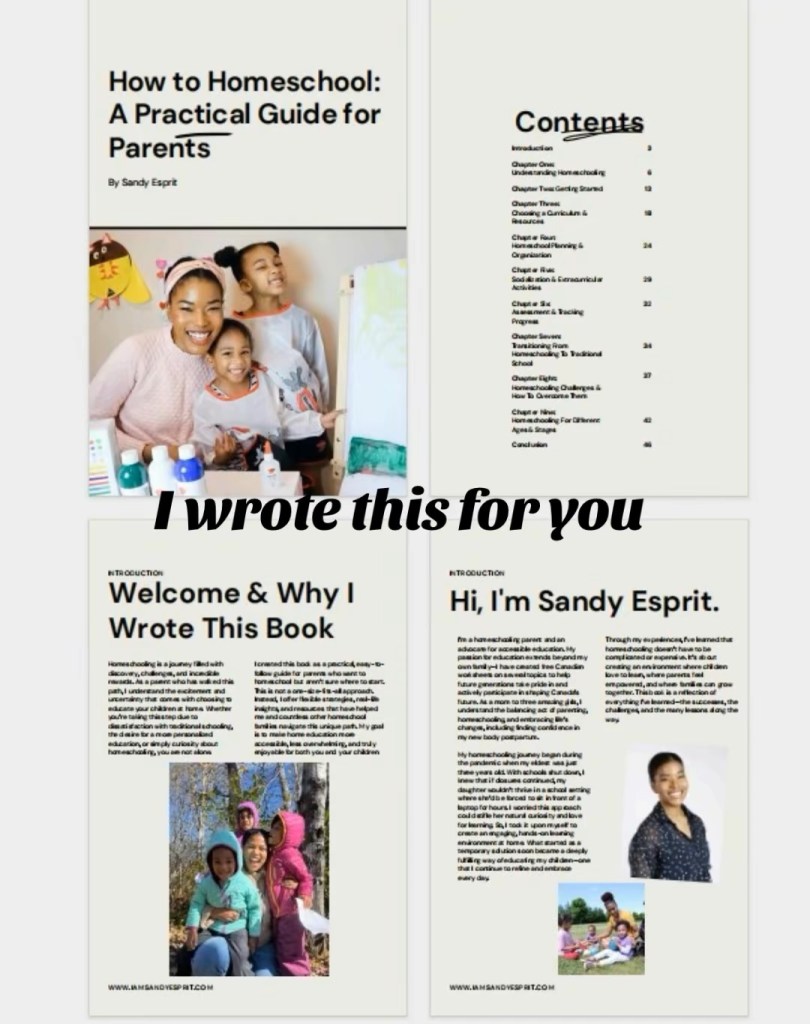
If you’re looking to homeschool but don’t know where to start, feel free to purchase my homeschool guide here.

For parents who prefer not to send their children to school, home education can be a fulfilling and enriching journey. Any well-intentioned and involved parent can set aside a few hours a day to educate their child in a structured way. The key is consistency and intentional learning. Making education a daily habit helps children retain knowledge and develop a lifelong love for learning.
The Importance of Consistency in Home Education
Consistency is crucial when teaching young children. A regular routine ensures they receive the reinforcement needed to build on their learning. Small, daily lessons in reading, counting, and problem-solving go a long way. Intentional education means making the most of everyday moments—like measuring ingredients while cooking or recognizing letters on street signs—to reinforce what children are learning in their studies.

Checklist for Parents Looking to Homeschool Their Children
If you’re considering homeschooling your child, here’s a checklist to help you get started:
1. Understand Your Local Education Regulations
- Research homeschooling laws in your province or country.
- Register with the appropriate authorities if required.
- Determine reporting and assessment requirements.
2. Choose the Right Curriculum
- Find a curriculum that aligns with your child’s learning style and interests.
- Consider structured programs, unit studies, or child-led learning approaches.
- Look for curriculum guides that meet your region’s educational standards.
3. Make the Most of Available Resources
- Utilize libraries for free books and educational materials.
- Join homeschooling communities for support and shared resources.
- Explore online learning tools and platforms.
- Homeschooling doesn’t require a lot of money; many free and affordable resources are available to support learning.
4. Incorporate Fun and Engaging Learning Tools
- Alphablocks & Numberblocks: Interactive shows that teach phonics and math in an engaging way.
- Awnie’s House: A fantastic YouTube channel with engaging read-alouds.
- Vooks: A digital library of animated storybooks.
- Scratch Garden: A fun and educational channel for songs and learning activities.
5. Create a Learning Routine That Works for Your Family
- Set aside dedicated learning hours each day.
- Balance structured lessons with hands-on learning and play.
- Adjust the schedule as needed to fit your child’s pace and interests.
Homeschooling can be an incredibly rewarding experience when approached with dedication and flexibility. By being consistent, intentional, and resourceful, parents can create an enriching educational environment right at home. Whether you are reinforcing basic skills or diving into full-time homeschooling, remember—you’re already teaching every day!


 Sandy Esprit
Leave a comment