Introduction
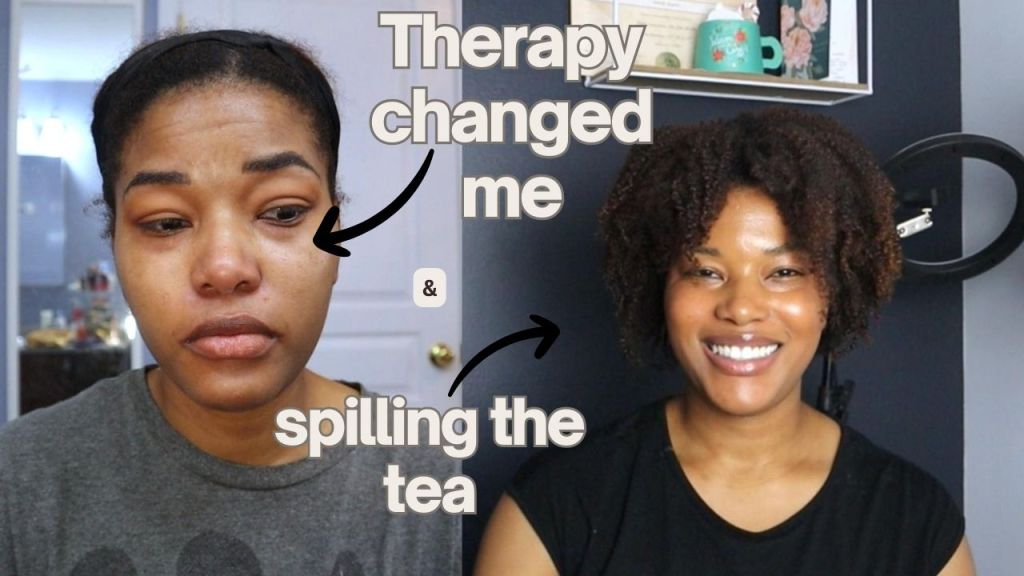
Sharing personal experiences can be a powerful way to inspire and encourage others, especially when it comes to mental health. My journey through therapy has profoundly impacted my life, allowing me to become the best version of myself as a wife and mother. By addressing childhood trauma and religious trauma, I’ve learned to cope with triggers and build a more fulfilling life. Here’s my story, and I hope it inspires you to seek the help you need.
The Weight of Childhood and Religious Trauma

Growing up, I experienced significant childhood trauma that left deep emotional scars. Coupled with religious trauma, these experiences shaped my worldview and self-perception in ways that were often detrimental. For years, I struggled with feelings of unworthiness, guilt, and fear, which impacted my relationships and overall well-being.
As I entered adulthood and started my own family, these unresolved issues began to manifest in new ways. I found it challenging to be present and emotionally available for my husband and children. Triggers from my past would resurface unexpectedly, causing anxiety and emotional turmoil.
Seeking Help: The Turning Point
Recognizing that I needed help was the first step toward healing. I decided to seek therapy, a decision that would change my life in ways I couldn’t have imagined. My therapist provided a safe and non-judgmental space where I could explore my past and its impact on my present.
Unpacking the Past
Through therapy, I began to unpack my childhood and religious trauma. My therapist helped me understand how these experiences had shaped my beliefs and behaviors. We worked on identifying and challenging the negative thought patterns that had become ingrained over the years.
One of the most profound realizations was that I was not to blame for what had happened to me. This understanding allowed me to start letting go of the guilt and shame that had been weighing me down for so long.
Coping with Triggers

Therapy also equipped me with tools to cope with triggers. I learned to recognize when I was being triggered and how to manage my reactions in healthier ways. Techniques such as mindfulness, grounding exercises, and cognitive-behavioral strategies became invaluable in helping me stay present and calm during difficult moments.
Rebuilding Relationships
As I began to heal, my relationships started to improve. I became more emotionally available and communicative with my husband. We learned to navigate challenges together, fostering a deeper connection and mutual understanding. My ability to be present and engaged with my children also grew, allowing me to create a more nurturing and supportive environment for them.
Embracing My Role as a Wife and Mother
With the help of therapy, I embraced my role as a wife and mother with newfound confidence and compassion. I learned to set healthy boundaries, practice self-care, and prioritize my mental health. By taking care of myself, I became better equipped to take care of my family.
Encouraging Others to Seek Help

If you’re struggling with past trauma or finding it difficult to cope with life’s challenges, I encourage you to seek therapy. It’s a courageous step that can lead to profound healing and growth. Remember, you don’t have to navigate this journey alone. There are professionals who can help you unpack your past, cope with triggers, and build a brighter future.
Conclusion
Therapy has been a transformative experience for me, allowing me to show up as the best version of myself for my family. By addressing childhood and religious trauma, I’ve learned to cope with triggers and rebuild my relationships. If my story resonates with you, I hope it inspires you to take the first step toward healing. Remember, seeking help is a sign of strength, and it’s never too late to start your journey to a healthier, happier life.
 Sandy Esprit
Leave a comment