When it comes to hair care, the terms moisture and hydration are often used interchangeably—but they’re not the same thing. Understanding the difference between the two is key to addressing your hair’s specific needs and maintaining healthy, beautiful locks.
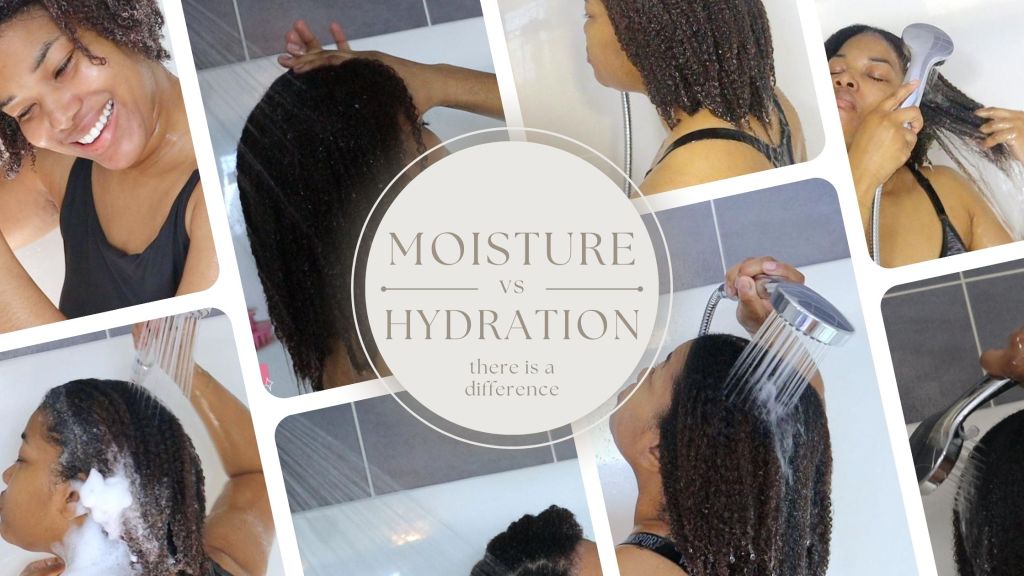
Let’s break down these concepts and explore how they apply to your hair care routine, especially if you have curly, coily, or textured hair.
Moisture: Sealing and Retaining Water
Moisture refers to the process of locking in water or sealing it within your hair strands. This is usually achieved through the use of oils or butters that create a barrier around the cuticle to prevent water loss.
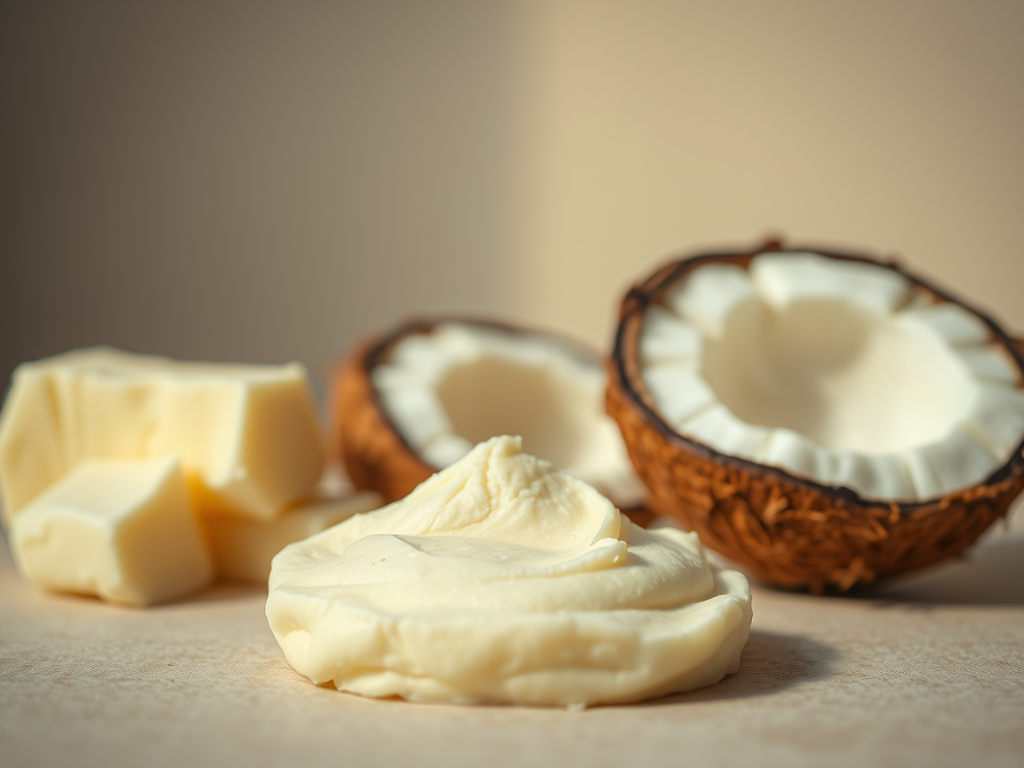
If your hair feels dry and brittle, it may lack moisture. This is common in curly and coily hair types, which naturally struggle to retain moisture due to the structure of the hair shaft. Products like shea butter, coconut oil, or cream-based moisturizers help seal water into the hair and reduce breakage.
Signs your hair needs moisture:
- It feels rough to the touch.
- There’s excessive breakage or snapping.
- You experience frizz, especially in humid environments.
Hydration: Adding Water to Your Hair
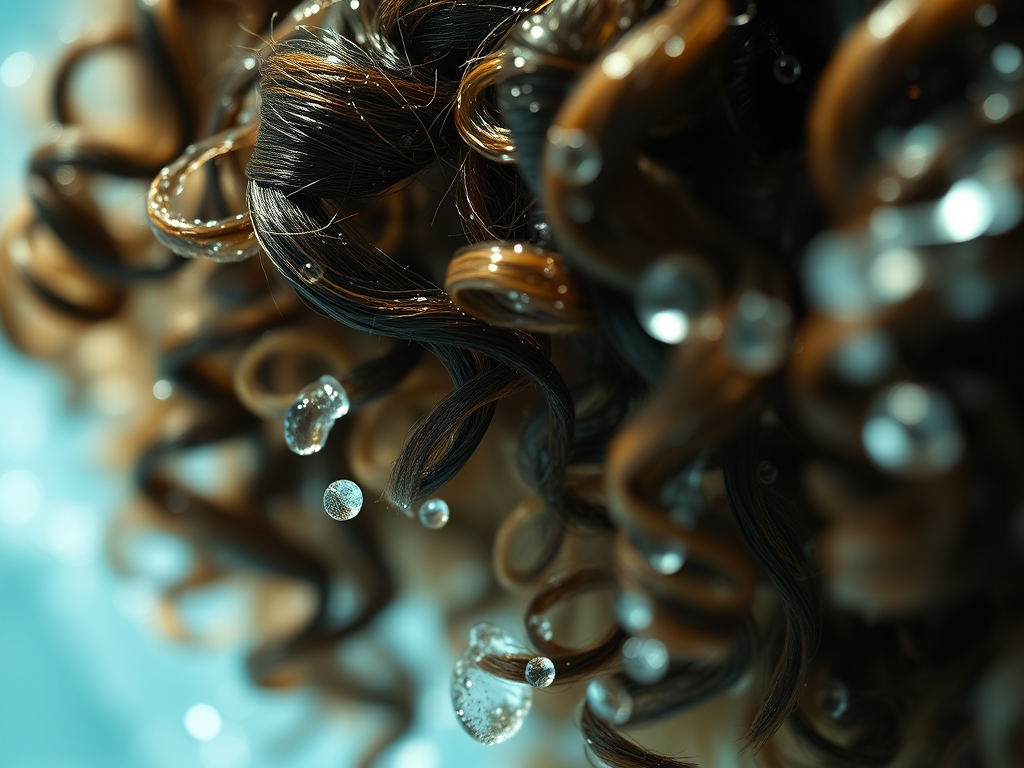
Hydration is all about infusing water into your hair, ensuring the strands stay plump, flexible, and healthy. Hydrating products often contain humectants like glycerin, aloe vera, or hyaluronic acid, which attract water to the hair.
Hydration is crucial for curly hair, as it can be prone to dryness due to its natural shape, which makes it harder for natural oils from the scalp to travel down the strand. Without enough hydration, your hair may feel dull, flat, and lifeless.
Signs your hair needs hydration:
- It looks dull or lacks elasticity.
- Your curls appear limp or undefined.
- Your hair feels weak and stretches excessively when wet.
How Moisture and Hydration Work Together
Think of hydration and moisture as a dynamic duo. Hydration brings water to the hair, while moisture locks it in. You can’t have one without the other for healthy hair.
For example, if you hydrate your hair with a water-based leave-in conditioner but don’t follow up with an oil or butter to seal it, the water will evaporate quickly, leaving your hair dry again. Similarly, applying oils without hydrating first won’t address the root cause of dryness—it’ll simply mask the issue.
How to Determine What Your Hair Needs
- Hydration Test: Spray your hair with water. If it absorbs quickly, your hair likely needs hydration.
- Moisture Test: Feel the ends of your hair. If they’re brittle and break easily, your hair might need moisture.
Tips for Balancing Hydration and Moisture
- Layer Your Products: Start with a hydrating product, like a water-based leave-in conditioner or aloe vera gel, and follow with an oil or cream to seal it in.
- Incorporate Deep Conditioning: Use hydrating masks weekly to infuse moisture and hydration into your hair. Look for products with a mix of humectants, emollients, and natural oils.
- Protect Your Hair: Use satin or silk pillowcases and bonnets to prevent moisture loss overnight.
- Pay Attention to Weather: In humid conditions, focus on hydrating products. In dry, cold climates, prioritize moisture to lock in hydration.
Final Thoughts
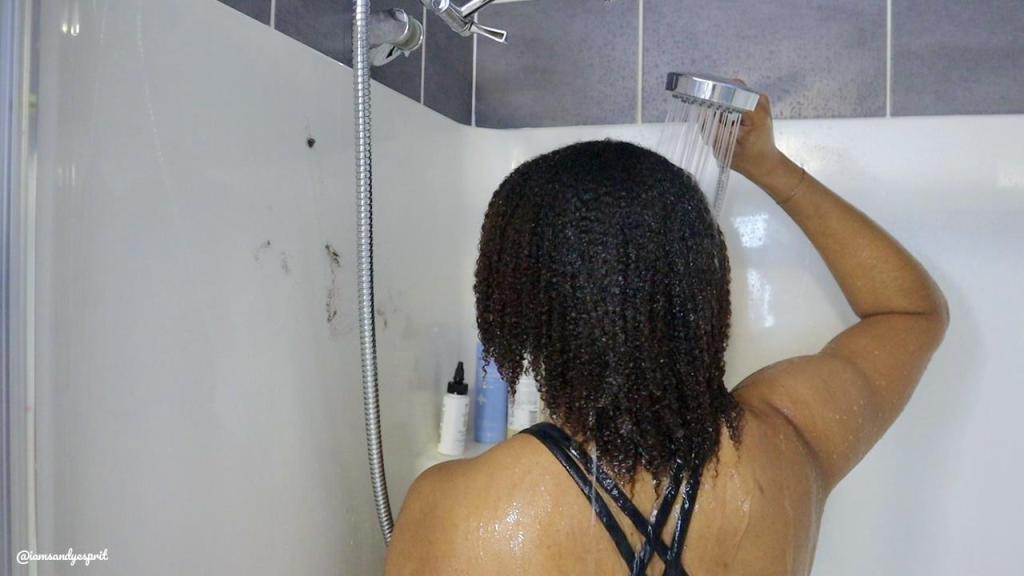
Hydration and moisture are equally important in hair care, but addressing them separately ensures your hair gets exactly what it needs. For curly and coily hair types, balancing the two is essential for healthy, defined, and manageable curls.
By tailoring your routine to include both hydration and moisture, you’ll create a foundation for stronger, more resilient hair that shines with health.
Have you mastered your hydration-moisture balance? Share your tips and favorite products in the comments!


 Sandy Esprit
Leave a comment