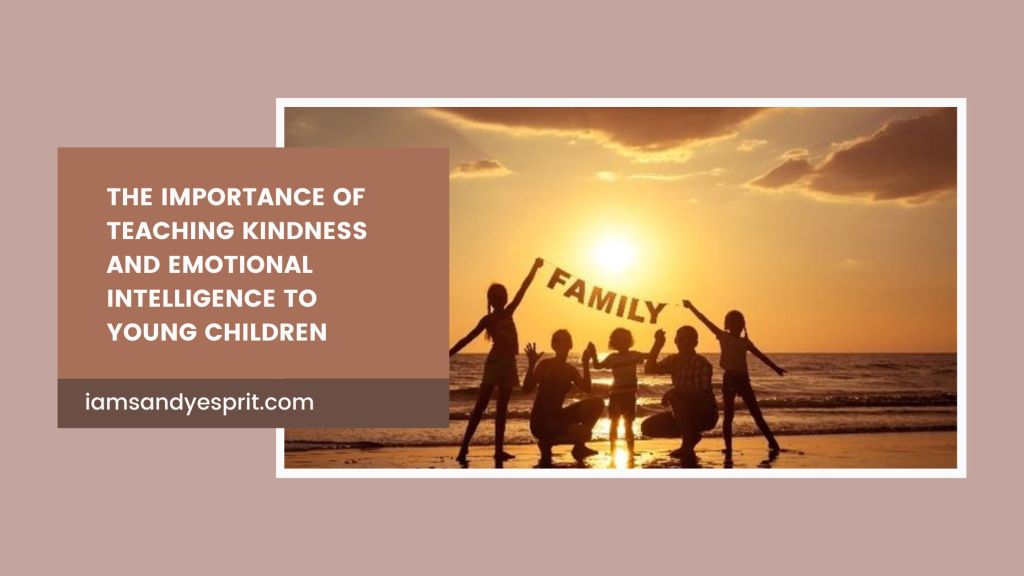
In a world that often seems to prioritize competition and individualism, teaching kindness and emotional intelligence to young children has never been more crucial. As parents, caregivers, and educators, we have a significant role to play in shaping the future generation into empathetic, compassionate, and emotionally resilient individuals. This transformation begins with modeling these behaviors ourselves, especially in cases where adults need to strengthen their own emotional regulation skills.
The Power of Kindness
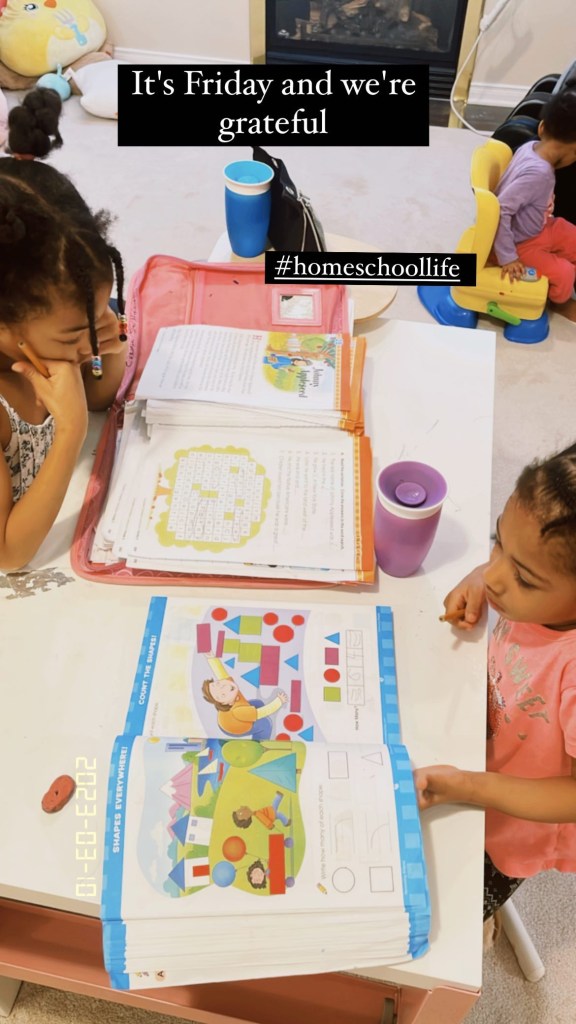
Kindness is not merely an act; it’s a way of life. Teaching young children to be kind lays the foundation for building strong interpersonal relationships, fostering a sense of community, and creating a more harmonious society. Here’s why kindness matters:
- Promotes Empathy: Kindness helps children understand the feelings and needs of others. When they learn to see the world from someone else’s perspective, they become more empathetic individuals.
- Reduces Bullying and Aggression: Teaching kindness early can reduce the likelihood of children engaging in bullying behaviors. They learn to resolve conflicts peacefully and treat others with respect.
- Enhances Self-Esteem: Kind children often experience greater self-esteem. When they witness the positive impact of their actions on others, it reinforces their sense of self-worth.
- Creates a Positive School Environment: Kindness is contagious. A school environment that prioritizes kindness fosters a culture of inclusivity, where children feel safe and supported.
The Role of Emotional Intelligence
Emotional intelligence, or EQ, is the ability to recognize, understand, and manage one’s own emotions while effectively navigating the emotions of others. Developing emotional intelligence in young children offers a myriad of benefits:
- Improved Communication: Children with high EQ can express their emotions and needs more clearly. This leads to better communication with peers, teachers, and parents.
- Conflict Resolution: EQ equips children with the skills to resolve conflicts peacefully, reducing aggression and promoting cooperation.
- Resilience: Emotional intelligence helps children bounce back from setbacks and adversity. They learn that it’s okay to feel sad, frustrated, or angry, but they also learn how to cope with these emotions in healthy ways.
- Better Mental Health: Teaching emotional intelligence can lead to improved mental health outcomes. Children are more equipped to manage stress, anxiety, and other emotional challenges.
Modeling Behavior for Parents
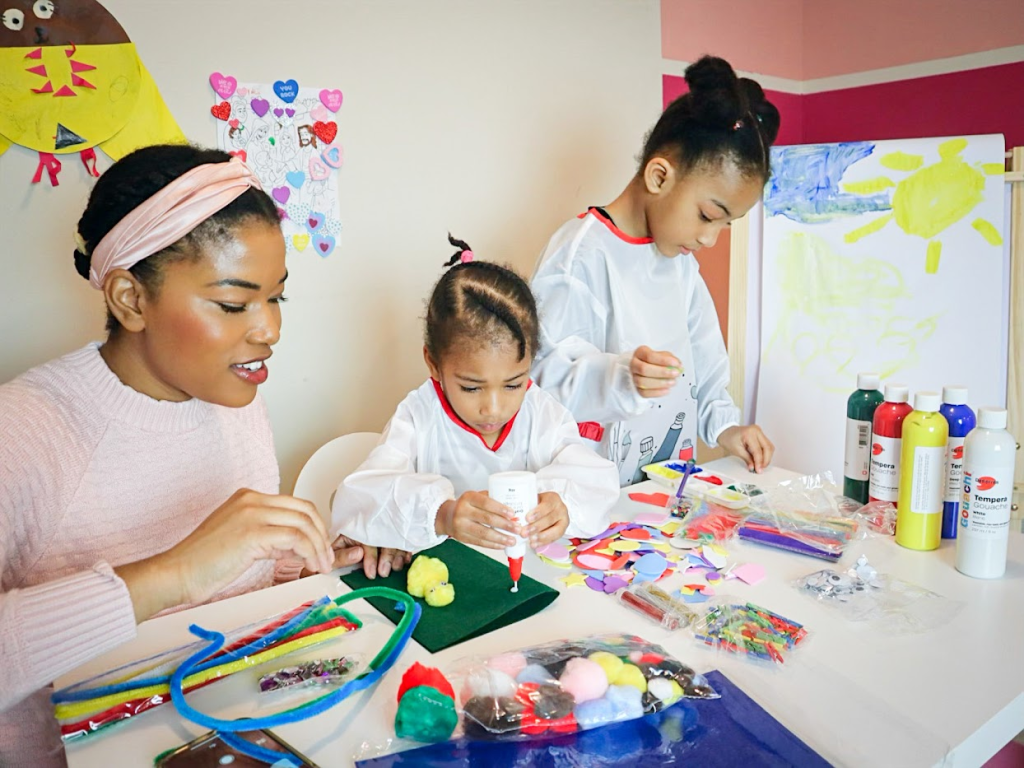
Parents and caregivers play a pivotal role in teaching kindness and emotional intelligence to young children. However, it’s essential to acknowledge that adults, too, can benefit from honing their emotional regulation skills. Here’s how parents can lead by example:
- Practice Self-Awareness: Understanding your own emotions and triggers is the first step in modeling emotional intelligence. When you can identify and manage your own feelings, you set a powerful example for your children.
- Embrace Empathy: Show empathy toward your children and others in your life. Let your kids see you actively listen and validate their feelings. This demonstrates the importance of understanding and supporting others’ emotions.
- Resolve Conflicts Peacefully: When disagreements arise, handle them calmly and respectfully. Demonstrate effective problem-solving and compromise, teaching children valuable conflict resolution skills.
- Foster a Culture of Kindness: Make kindness a family value. Encourage acts of kindness within your home and community. Your children will learn by observing your actions.
- Open Communication: Create an environment where your children feel safe discussing their emotions. Be a willing and nonjudgmental listener, so they know they can turn to you for support.
Teaching kindness and emotional intelligence to young children is an investment in a brighter, more compassionate future. By modeling these behaviors ourselves, we not only provide our children with essential life skills but also contribute to a more empathetic and harmonious society. Let us embark on this journey of self-improvement alongside our children, as we all strive to become better, kinder, and more emotionally intelligent individuals. In doing so, we nurture the empathetic leaders of tomorrow who will undoubtedly make the world a better place.
 Sandy Esprit
Leave a comment