Every November 11th, we pause as a family to remember those who served and sacrificed. For us in Canada, Remembrance Day is a time of honoring our veterans and reflecting on the freedom and peace they’ve helped protect. But with young children, explaining this solemn day can be a challenge. How do we help them grasp why it’s so important to remember?
This year, I decided to take a hands-on approach by creating some simple worksheets to guide my kids through the meaning of Remembrance Day. My goal wasn’t just to have them complete activities but to give them a sense of why we wear poppies, why we take a moment of silence, and what it all means. I wanted this to be more than just a history lesson; I wanted it to be a meaningful experience.
Why Teach Kids About Remembrance Day?
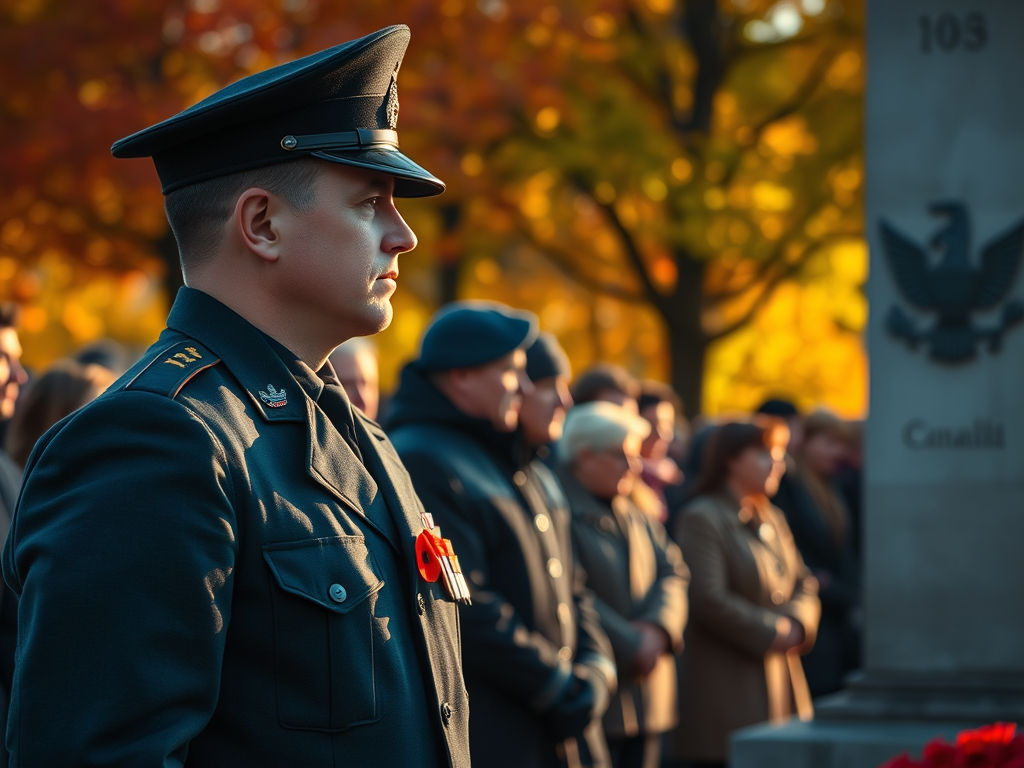
Teaching kids about Remembrance Day helps them connect with their history and community. It’s easy for them to get wrapped up in the excitement of a day off from school or other holiday rituals, but I wanted my kids to understand why this day is marked on our calendars.
More importantly, learning about Remembrance Day instills values like gratitude and respect. When they understand that people bravely gave up so much for the sake of others, it gives them perspective on their own lives and privileges. Plus, Remembrance Day is a time to reflect on peace and think about the ways we can contribute positively to the world around us.
Creating Worksheets That Make a Difference

I designed these worksheets to make Remembrance Day accessible to young kids. Here are a few of the sections we included:
- History of Remembrance Day: A kid-friendly explanation of how and why Remembrance Day started, with a focus on Canadian history. We talked about the World Wars and the brave soldiers who served. Keeping it simple but impactful was key here.
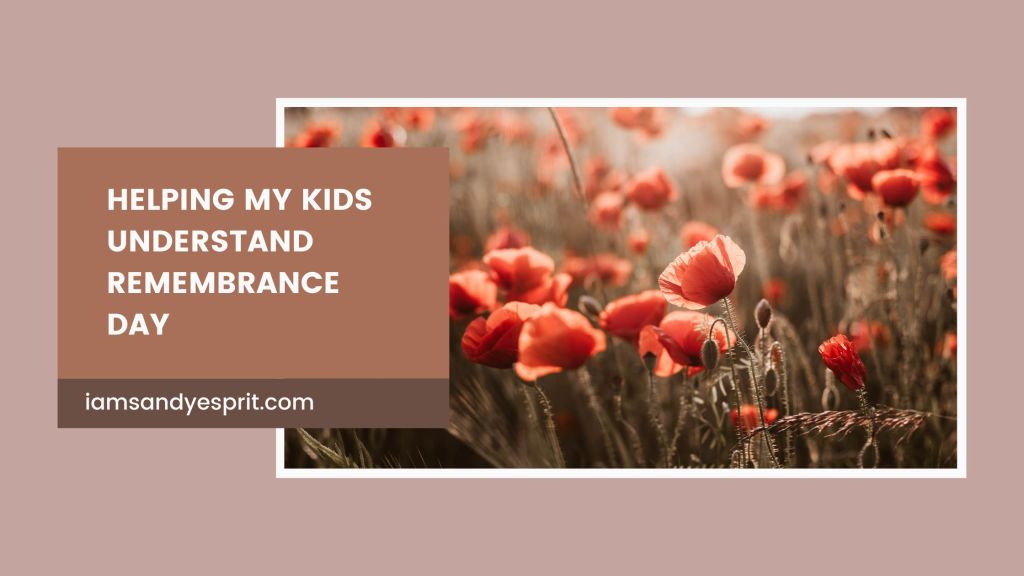
- The Symbol of the Poppy: My kids were curious about why people wear poppies in November, so we included a section about the poppy’s meaning. I wanted them to understand that the poppy is a symbol of both memory and hope—a way to remember those we’ve lost and hope for a peaceful future.
- “In Flanders Fields” Poem Fill-in-the-Blanks: John McCrae’s poem is such an iconic part of Remembrance Day. I added a fill-in-the-blank version to help the kids engage with the words of the poem. Reading it together and filling in those missing words was a beautiful way to talk about its meaning and why it’s recited every year. Plus, they loved seeing how the words fit together and thinking about what the poem might be saying.
- Drawing Activity: For my younger kids, I added a drawing section where they could illustrate what Remembrance Day means to them. Whether it’s a poppy, a flag, or something that represents peace, it’s a creative way for them to process the ideas we’ve been talking about.
- Gratitude Writing Prompt: The worksheets include a prompt where they can write a few sentences about what they’re grateful for and who they’d like to remember. This small section encourages them to think about the impact of kindness, bravery, and sacrifice in their own lives.
Making Remembrance Day Meaningful at Home

These worksheets have become more than just a learning tool—they’ve sparked real conversations. As a family, we talk about Remembrance Day, why we have a minute of silence, and what it all means. We also take the time to watch the Remembrance Day ceremony together and wear our poppies with pride.
Crafting and completing these worksheets together lets my kids ask questions and share their own thoughts. This is what makes learning so powerful: it’s not about just memorizing facts, but about connecting and reflecting.
Free PDF Download Available!
To make this learning experience accessible to all families, I’ve made the worksheets available as a free PDF download. This printable includes all the sections we’ve been using in our home to help kids understand Remembrance Day in a meaningful way.
So, if you’d like to join us in teaching about Remembrance Day, feel free to download the worksheet pack and create your own family traditions around it. [Download your free Remembrance Day worksheets here!]
Remembering Together
Remembrance Day might be a complex topic, especially for younger kids, but breaking it down and making it accessible has really helped our family connect with its meaning. And who knows, maybe these little discussions will plant seeds of kindness and gratitude that they’ll carry with them as they grow.
This Remembrance Day, let’s take a moment to honor those who served and sacrificed—and maybe even create a few simple traditions and activities that help our kids understand why we remember. The worksheets I made are a small start, but they’re helping us keep these important conversations alive in our home.
 Sandy Esprit
Leave a comment